Grass Court Betting Strategy: How to Assess Tennis Matches on Fast Surfaces
A practical grass court betting strategy covering serve strength, return points, recent form, player movement, market prices and the risks of small samples.
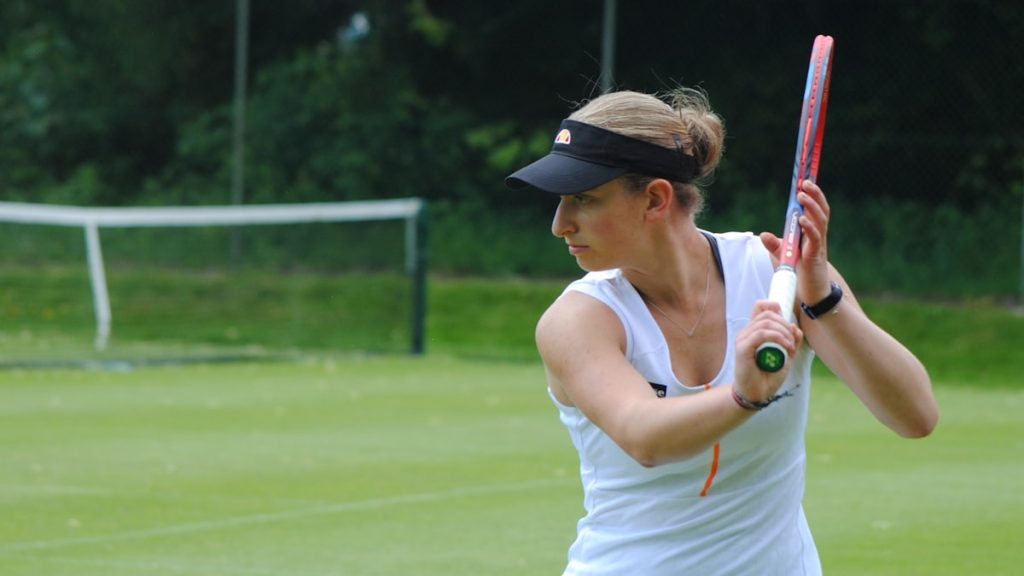
A grass-court match can turn on a handful of points. A strong server may protect a lead with ease, while one loose service game can decide an entire set before a returner has found a rhythm. That volatility makes grass court betting different from betting on clay or hard courts.
The best approach is not to chase short matches or assume that every big server is automatically valuable. It is to assess how a player’s style, movement and recent performance interact with the surface, then compare that view with the available odds.
Why grass court betting requires a different approach
Grass is generally faster and produces a lower bounce than most hard courts. Serve placement, first-strike tennis and reactions close to the baseline can matter more than long-exchange consistency. Some players also move less naturally on the surface, especially when changing direction or defending a short ball.
Those conditions affect several common tennis betting markets:
- Match winner: Useful when one player has a clear serving or returning advantage, but short prices can offer little value in a volatile match.
- Set betting: A strong option when both players are likely to hold serve and individual sets may be decided by a tiebreak.
- Game handicaps: Often more informative than the moneyline because a narrow victory may still be likely on a fast court.
- Total games: Relevant when both players protect serve well or when the market may be underestimating the chance of tiebreaks.
- First-set markets: Worth examining when one player starts quickly, serves efficiently and has a strong record in early matches on grass.
Surface speed is not identical at every tournament. Weather, court preparation and the age of the playing surface can all alter how the ball travels. Treat broad labels such as “fast grass” as a starting point rather than a complete prediction.
How to evaluate players on grass
Prioritise serve quality over raw ace totals
Aces are useful, but they do not tell the whole story. Look at first-serve points won, service points won, break points saved and the number of service games held. A player who regularly earns free points and wins a high percentage behind the first serve may be better suited to grass than a player with more spectacular but less reliable serving numbers.
Second-serve performance also matters. On a low-bouncing court, a weak second serve can invite an immediate attack. Compare the opponent’s return points won against second serves and consider whether that returner stands inside the baseline or prefers more time from deeper positions.
Measure return pressure, not just break-point records
Break-point conversion can fluctuate over a small sample. Return points won, return games won and points won against first serves often provide a broader picture. A player does not need to break frequently to be a good grass-court bet; consistent pressure can create tiebreak opportunities and keep handicap positions alive.
Consider movement and court positioning
Grass rewards players who adjust quickly to skidding balls and unpredictable bounces. Recent match footage can reveal details that a season-long statistic misses: a player slipping during changes of direction, standing too far behind the baseline, or struggling to attack short returns.
Net approaches, short-point efficiency and the ability to finish at the net can be valuable indicators. However, an aggressive style only helps if the player makes a high enough percentage of first volleys and does not donate points through rushed approaches.
Use recent grass form carefully
Grass offers a short annual schedule, so recent surface records are often based on a limited number of matches. A simple win-loss record can therefore mislead. Separate the quality of the opponents from the result, and check whether the player faced strong servers, elite returners or several lower-ranked opponents.
Previous grass-court history can still help, particularly for players with established records at a specific tournament. But old results should not outweigh current fitness, serve speed, injury news or a change in coaching and playing style. A player returning from a physical issue may be less effective in low defensive positions even if past grass results look impressive.
Comparing odds with your assessment
Research becomes betting strategy only when it is compared with price. If your analysis makes a player a 55% winner, fair decimal odds would be about 1.82. A market price of 1.60 would not necessarily be attractive, while 2.00 could offer potential value if the probability estimate is sound.
Do not treat this calculation as a promise of profit. Tennis markets can move quickly after injury updates, weather changes, withdrawals or confirmed line-ups. Compare prices across regulated bookmakers where permitted, and avoid increasing a stake simply because a previous selection lost.
For match betting, ask whether the price reflects the player’s grass suitability, not merely their ranking. For totals and handicaps, examine likely set patterns: two reliable servers may make an over-games bet more logical, while a mismatch in return quality could create a short match despite a fast surface.
Common mistakes in grass-court tennis betting
- Overrating aces: A high ace count can hide poor second-serve numbers or weak return performance.
- Using rankings as a shortcut: Overall rankings include results on surfaces that may not resemble grass.
- Ignoring the draw: A player’s path through qualifying or an earlier round can affect fatigue and preparation.
- Chasing tiebreaks: Fast courts increase the possibility, but not every serving matchup produces a tiebreak.
- Forgetting conditions: Wind, dampness and cooler temperatures can slow the court and reduce serving advantages.
- Betting every match: Passing is a valid decision when the data and price do not align.
A disciplined grass court betting strategy combines surface-specific statistics with tactical observation, current fitness information and sensible price analysis. Keep stakes consistent, set a budget before placing any wager, and use only licensed betting services available in your location. No surface trend removes the uncertainty of tennis.