Why Do Race Cars Do Formation Laps?
Formation laps help race drivers and officials prepare for a safe, orderly start. Learn what happens during the lap, why cars warm their tyres and brakes, and how the procedure varies between racing series.
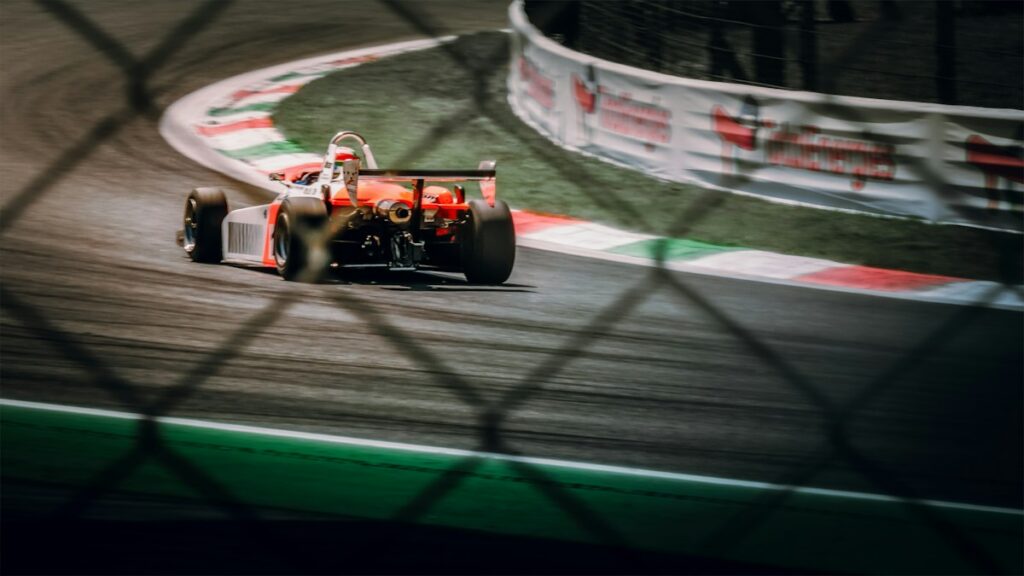
A formation lap is the controlled lap that race cars complete immediately before the competitive start. Drivers leave their grid positions, follow the safety car or lead vehicle when required, and return to the grid in starting order. The lap gives teams one final opportunity to check the car while officials confirm that the track and starting procedure are ready.
Why race cars complete a formation lap
The main reason is preparation. Drivers use a formation lap to bring the tyres and brakes closer to their operating temperatures. A cold tyre usually offers less grip, while cold brakes may not respond as consistently during the first braking zone. Drivers may weave gently or apply the brakes in controlled bursts, subject to the rules of their racing series, to build heat without damaging the tyres.
The lap also allows the driver to check the car after leaving the garage. Teams can look for warning lights, unusual vibrations, fluid leaks, steering problems or changes in engine performance. In some championships, a driver can report a mechanical issue before the race begins, giving officials time to delay or interrupt the start.
Officials use the formation lap to verify that every car can reach its assigned grid slot and that the starting order is correct. It also confirms that the circuit is clear of stopped cars, debris or other hazards. If a car fails during the lap, the race director can adjust the starting procedure instead of discovering the problem after the lights go out.
What happens during a formation lap
Cars normally leave the grid behind a designated lead vehicle or under instructions from the race director. Drivers must maintain their positions and avoid racing. The pace is controlled so the field stays together and each car can return to the correct grid space.
During the lap, teams may collect information about track conditions, including grip levels, standing water and changes in wind direction. Drivers can also confirm that the car’s controls and radio are working. In wet conditions, the formation lap can help teams judge whether the circuit is suitable for a normal start or needs an alternative procedure.
Once the cars return, drivers stop in their marked grid positions. The field then waits for the starting signal, which may be a sequence of lights, a starter’s flag or another procedure defined by the series regulations.
Is a formation lap the same as a warm-up lap?
The terms are often used interchangeably, but they can describe slightly different ideas. “Formation lap” refers to the official lap used to arrange the field before the start. “Warm-up lap” highlights the driver’s use of that lap to heat the tyres and brakes.
It is also different from a parade lap. A parade lap is usually a ceremonial or low-speed lap, sometimes involving a safety car or drivers waving to spectators. A formation lap has a specific sporting purpose: it prepares the field and leads directly to the race start.
How formation laps vary between racing series
Formula racing, sports car racing, touring car events and motorcycle races may use different rules. Some series start from a stationary grid after the formation lap. Others use a rolling start, in which the cars remain in formation and cross a designated start line at racing speed.
In some events, the safety car controls the field during the entire lap. In others, drivers are responsible for maintaining the formation after leaving the grid. The permitted tyre-warming movements, speed limits, gaps between cars and response to a stalled vehicle also depend on the sporting regulations.
Large endurance races may have additional procedures because the field is spread across different classes. Race control must ensure that slower and faster categories are correctly arranged before the start. Local rules can therefore matter as much as the general purpose of the formation lap.
What if a car has a problem on the formation lap?
A driver who cannot start normally may signal a problem, stop in a safe place or return to the pits if the rules allow it. The response depends on where the car stops and the type of event. Officials may order another formation lap, declare a delayed start, move the affected car to the back of the grid or begin the race without it.
If a car changes position, takes an alternative route or fails to occupy its grid slot correctly, the driver may receive a penalty. These details are governed by the series rulebook, so the exact outcome is not identical across Formula 1, NASCAR, IndyCar and other championships.
Why the lap matters to the race start
A formation lap is more than a short trip around the circuit before the action begins. It combines a final mechanical check, tyre and brake preparation, track inspection and grid-control procedure. By the time the cars line up again, drivers and officials have a clearer view of whether the race can begin safely and in the correct order.
The lap does not count as a competitive racing lap in most formats. Its purpose is to make the opening moments more predictable, although weather, mechanical failures and starting-grid incidents can still change the procedure.