Best Commentators in Football: The Voices That Define the Game
From Peter Drury’s poetic calls to Martin Tyler’s measured authority, these are the football commentators whose voices have shaped how supporters experience the sport.
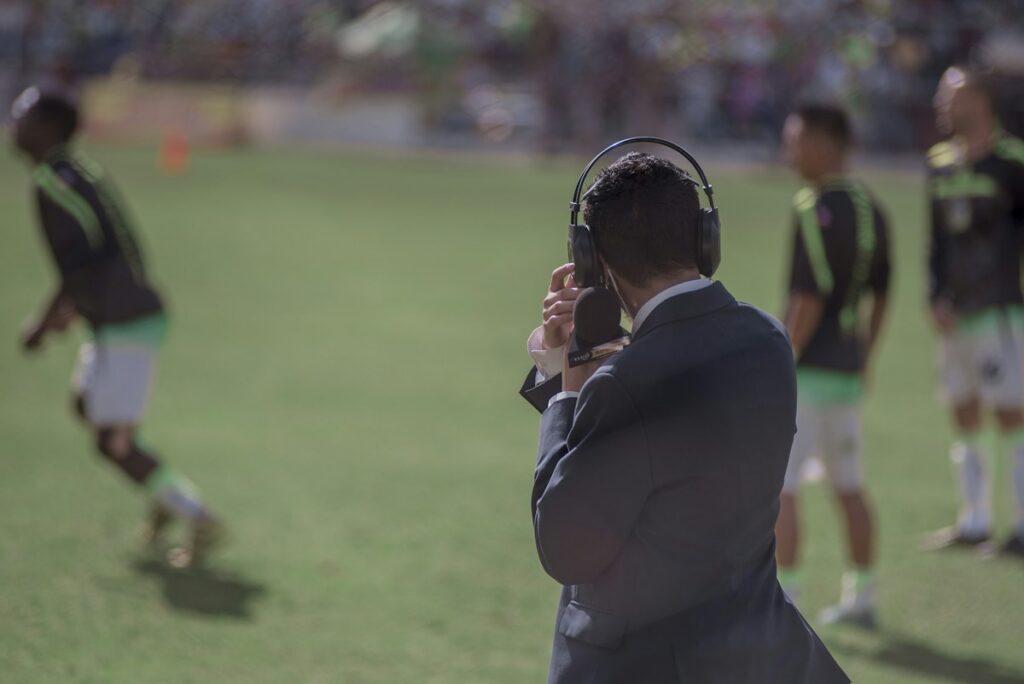
A great football commentary can turn a familiar match into a lasting memory. The right voice does more than identify the players and describe the action: it sets the tempo, explains the tactical detail and knows when silence says more than a sentence. That is why debates about the best commentators in football remain so personal.
Some supporters prefer the precision of Martin Tyler, others the theatrical language of Peter Drury, while many still return to the warmth and timing of voices such as John Motson or Barry Davies. There is no single objective ranking, but the strongest commentators share qualities that stand out across generations and leagues.
What makes a football commentator great?
Play-by-play commentary is a demanding craft. A commentator has to recognise patterns quickly, name players accurately, explain decisions without distracting from the match and respond naturally when the game suddenly changes direction.
The best football commentators also understand restraint. A goal may call for emotion, but not every pass needs an exaggerated reaction. The finest voices allow the crowd, the stadium and the players to carry part of the story. Their words add meaning instead of competing with the match.
- Timing: The call arrives at the right moment, especially during a goal or decisive defensive action.
- Clarity: Viewers can follow the game even when the pace is intense.
- Preparation: Useful details about form, tactics, history and player roles appear without sounding rehearsed.
- Emotional range: The commentator can handle drama, disappointment, humour and quiet tension.
- Distinctive style: The voice and phrasing are recognisable without overwhelming the football.
The best football commentators of the modern era
Peter Drury
Peter Drury is widely regarded as one of the most expressive football commentators working today. His language often becomes part of the occasion, particularly in major finals and dramatic comebacks. He can describe a goal with poetic intensity, then settle into a more analytical rhythm when the match demands it.
That balance explains the appeal of Peter Drury commentary beyond individual fan bases. His biggest calls are frequently shared online because they capture not only what happened, but why the moment felt significant.
Martin Tyler
Martin Tyler built his reputation on calm authority and exceptional timing. His delivery rarely needed to compete with the action, which made his calls especially effective in high-pressure matches. The phrase associated with his most famous Premier League goal commentary became part of football culture, but his broader strength was consistency across ordinary league fixtures as well as major occasions.
Clive Tyldesley
Clive Tyldesley combines detailed observation with a strong sense of theatre. His commentary has often suited European nights, where the atmosphere can shift within seconds. He is particularly good at making the wider story of a match understandable: the rivalry, the pressure, the history and the sudden importance of one passage of play.
John Motson
John Motson was one of the defining British football voices of the television era. His preparation, distinctive delivery and encyclopaedic knowledge made him a trusted presence across domestic football and international tournaments. For many supporters, the familiar cadence of John Motson commentary is inseparable from memories of major matches.
Barry Davies
Barry Davies brought a conversational intelligence to football commentary. He was willing to question what he saw, use dry humour and leave a telling pause when a moment did not need embellishment. His style remains influential because it sounded engaged and human rather than manufactured.
Ian Darke
Ian Darke is known for his urgency, clear pronunciation and ability to handle rapid transitions. His work across football and boxing has given him a particularly strong feel for momentum. In a match that moves from midfield control to a counterattack in seconds, his calls remain easy to follow.
Ray Hudson
Ray Hudson offers one of the most immediately recognisable styles in football broadcasting. His colourful metaphors and emotional reactions make him very different from restrained British commentators. For supporters who enjoy exuberant football commentary, his calls provide entertainment as well as description.
Influential voices beyond the usual rankings
Lists of the best football commentators often focus on English-language television, but football commentary is a global art. Different broadcasting traditions value different qualities, from lyrical storytelling to tactical detail and intense crowd-driven emotion.
In English-language coverage, voices such as Derek Rae and Jim Beglin have earned respect for their preparation and match understanding. Across Africa, commentators including Kwabena Yeboah and Mark Gleeson have helped give major football moments a regional identity. Their importance is not measured only by technical delivery; it also comes from the way they connect international matches with local supporters.
That broader perspective matters when comparing commentators. A voice that sounds understated to one audience may be considered authoritative by another. Language, accent, cultural references and the relationship between television commentary and stadium atmosphere all shape how a broadcast is received.
Commentators versus pundits: why the distinction matters
Searches for the best football commentators often include famous analysts and former players, but the roles are different. A commentator describes the live action and manages the rhythm of the broadcast. A pundit usually explains tactics, assesses performances and offers opinion during pauses or after the match.
Gary Neville, Jamie Carragher and Roy Keane, for example, are best known for analysis rather than traditional play-by-play commentary. They may contribute memorable observations during a live broadcast, but a ranking of football commentators should primarily assess the person calling the action.
How to choose a personal favourite
The most useful comparison is not simply asking who has the biggest reputation. Consider what you want from a broadcast. If you value atmosphere and memorable language, Peter Drury or Ray Hudson may appeal most. If accuracy, calmness and rhythm matter more, Martin Tyler, Ian Darke or Derek Rae are natural choices.
It is also worth comparing the same commentator across different matches. A voice can sound brilliant during a World Cup knockout game but less distinctive during a routine league fixture. Consistency, preparation and the ability to make low-profile matches engaging are often better measures than one famous goal call.
Frequently asked questions
Who is widely considered the best football commentator?
Peter Drury is one of the most common modern choices because of his poetic language and emotional delivery. Martin Tyler, John Motson and Clive Tyldesley are also frequently named among the best, particularly for their long-term influence and consistency.
Who is the most famous football commentator in the world?
There is no universal answer because fame depends on language, country and broadcasting rights. Peter Drury, Martin Tyler, John Motson and Ray Hudson are among the most recognisable English-language voices, while many regions have their own equally influential commentators.
What is the difference between a commentator and a football analyst?
The commentator provides live play-by-play narration, while the analyst or pundit focuses on explanation and opinion. Some broadcasters perform both roles, but the skills required for each are not identical.
Why do fans disagree about the best football commentary?
Commentary is tied closely to memory, language and personal taste. A supporter may prefer a calm, factual delivery, while another may want high emotion and memorable phrases. The match, the broadcaster and the occasion all influence that judgement.