How Long Before an Ice Hockey Game Should You Eat?
Find the best meal and snack timing before an ice hockey game, with practical options for early starts, evening fixtures, and players with sensitive stomachs.
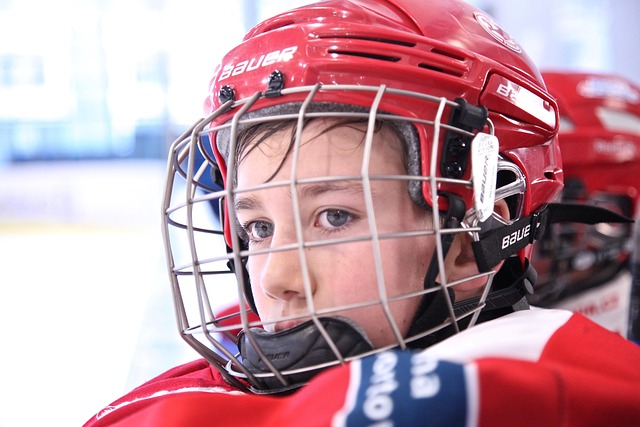
The clock matters almost as much as the meal itself before an ice hockey game. A large dinner shortly before warm-up can leave you feeling heavy, while arriving under-fuelled may make repeated sprints and shifts feel harder than they should.
For most players, the best approach is a substantial meal about three to four hours before puck drop, followed by a smaller carbohydrate-focused snack one to two hours before the game if needed.
When should you eat your main meal?
A meal three to four hours before an ice hockey game gives your body time to digest carbohydrates, protein, and a moderate amount of fat. This is usually the most reliable timing for a full plate of food, especially before a competitive game with several fast shifts.
A suitable pre-game meal might include rice with chicken, pasta with a light sauce, potatoes with eggs, or a sandwich with fruit and yoghurt. The exact food matters less than choosing familiar options that provide carbohydrates without being excessively greasy, spicy, or high in fibre.
If you tend to digest food slowly, aim closer to four hours. Players with a quicker digestion may feel comfortable eating three hours before the game. Avoid experimenting with a new meal on game day; practice sessions are a better time to test portions and ingredients.
What should you eat one to two hours before puck drop?
A snack one to two hours before an ice hockey game can top up energy without creating the fullness of another meal. Focus mainly on easily digested carbohydrates and keep the portion moderate.
- Banana with a small yoghurt
- Toast with honey or jam
- Low-fibre cereal with milk
- Pretzels and fruit
- Rice cakes with a small amount of nut butter
- A simple sports drink if solid food is difficult to tolerate
This timing is particularly useful if lunch or dinner was more than four hours before the game, or if the earlier meal was smaller than usual. A snack is not compulsory if you have eaten a balanced meal and feel comfortably fuelled.
Is eating 30 to 60 minutes before a hockey game okay?
Yes, but keep the food light. A small carbohydrate snack 30 to 60 minutes before warm-up may work well for players who feel hungry or need a final energy boost. Try a banana, a few crackers, applesauce, a small cereal bar, or a few sips of a sports drink.
Large portions, fatty foods, and high-fibre choices are more likely to cause stomach discomfort this close to the game. That matters in hockey because repeated accelerations, contact, and rapid changes of direction can make digestive issues more noticeable.
If you regularly feel nauseous before games, reduce the portion, eat earlier, and avoid foods you already know trigger symptoms. Persistent nausea, abdominal pain, dizziness, or unusual fatigue should be discussed with a qualified healthcare professional.
How much should you drink before the game?
Start hydrating during the day rather than trying to drink a large amount in the dressing room. Have fluids with your pre-game meal and take regular small sips before warm-up. Your urine colour can offer a rough indication of hydration, although it is not a perfect test.
For a typical game, water may be sufficient. A sports drink can be useful during longer sessions, intense training, or heavy sweating because it supplies both fluid and carbohydrate. Avoid relying on energy drinks, especially those with high caffeine content, if you are not accustomed to them.
What if the game starts early or late?
For an early-morning game, eat a familiar carbohydrate-based snack when you wake up, such as toast, a banana, cereal, or a small smoothie. If you can tolerate food the night before, a balanced evening meal may also help, but it should not replace breakfast entirely if you are hungry.
For an evening game, eat a normal breakfast and lunch, then have the main pre-game meal three to four hours before puck drop. A small snack one hour before the game can bridge the gap without making dinner feel too heavy.
The most useful answer to “how long before an ice hockey game should you eat?” is therefore personal but practical: plan a full meal three to four hours beforehand, use a light snack one to two hours before if necessary, and keep anything closer to warm-up small and easy to digest.