Best Central Midfielders in the World: The Elite Players Defining the Position
A closer look at the world’s best central midfielders, from deep-lying controllers to dominant box-to-box players and creative No. 8s.
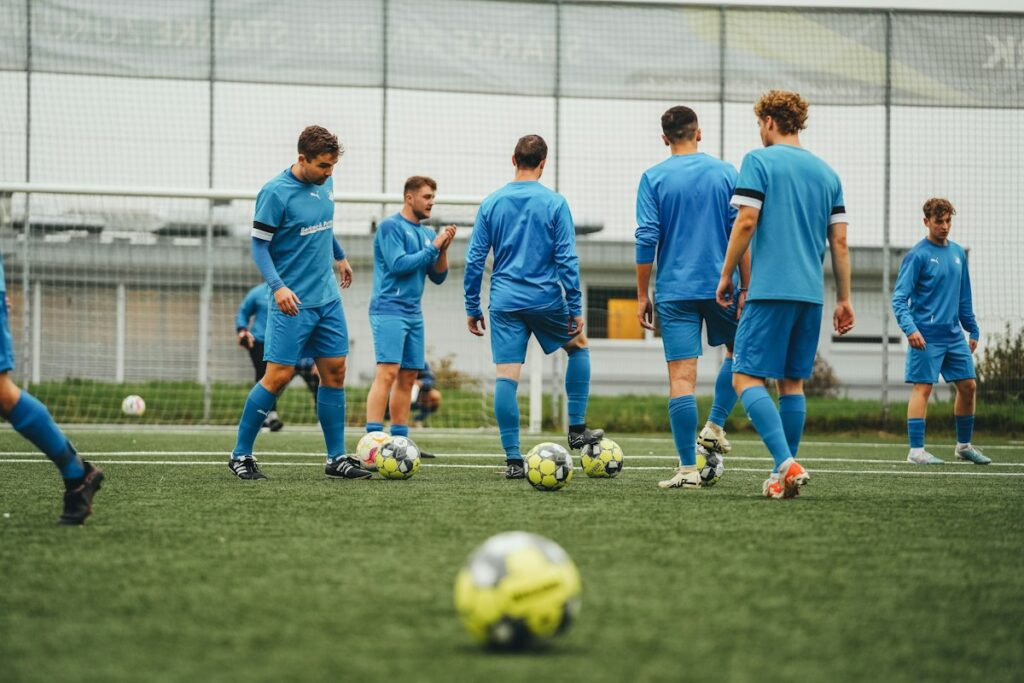
The best central midfielders rarely dominate a match in the same way as a prolific striker. Their influence appears in the tempo of possession, the distance between defence and attack, and the decisions made before a decisive pass becomes visible. That makes ranking the world’s best central midfielders more complicated than counting goals or assists.
A modern central midfielder may be a deep playmaker, a ball-winning No. 6, a box-to-box runner or a creative No. 8. The strongest players combine several of those responsibilities. The names below stand out because they consistently control matches, solve pressure situations and give their teams a reliable structure.
Who are the best central midfielders in the world?
1. Rodri
Rodri remains the reference point for the modern holding midfielder. His positioning gives Manchester City and Spain control of the space in front of the defence, while his passing allows attacks to develop without unnecessary risk. He is comfortable receiving under pressure, can switch play over long distances and has become a significant threat around the penalty area.
What separates Rodri from many defensive midfielders is his ability to dictate the rhythm of an entire match. He does not simply protect the back four; he decides when his team should accelerate and when it should keep the ball.
2. Jude Bellingham
Jude Bellingham is one of the most complete central midfielders in world football. His ability to carry the ball through midfield, arrive in the box and compete physically makes him difficult to contain. Although he often operates in an advanced role, his influence begins with the ground he covers and the pressure he applies before possession changes hands.
Bellingham’s versatility is a major strength. He can play as a No. 8, support a lone pivot or move higher as an attacking midfielder without losing his ability to contribute in transitions.
3. Federico Valverde
Federico Valverde brings an unusual blend of athleticism, tactical discipline and technical quality. He can cover wide areas, press aggressively, carry the ball over distance and strike from outside the box. His work rate gives Real Madrid flexibility because he can support both the full-back and the attack in the same sequence.
Valverde is especially valuable in open matches. His speed allows him to close gaps that slower midfielders cannot reach, while his direct passing helps his side move quickly from recovery to attack.
4. Pedri
Pedri’s greatest quality is his ability to find space before defenders recognise the danger. He receives the ball with composure, turns away from pressure and keeps possession moving through short combinations. His close control and awareness make him one of the finest creative central midfielders of his generation.
His game is built on timing rather than power. Pedri does not need to dominate physically to influence a match; he changes the shape of the opposition with intelligent movement and precise passing.
5. Nicolò Barella
Nicolò Barella is the type of box-to-box midfielder who raises the intensity of every phase. He presses with purpose, attacks loose balls, makes forward runs and has the technique to create chances from central areas. His energy is matched by a strong understanding of when to advance and when to protect his team’s shape.
Among elite central midfielders, Barella stands out for his competitive edge. He can make a technical team more aggressive without turning its possession into uncontrolled end-to-end football.
6. Declan Rice
Declan Rice has developed from a specialist defensive midfielder into a more rounded central player. His ball recovery, physical presence and ability to drive forward make him effective in both a double pivot and a three-man midfield. He also provides important defensive coverage when teammates move into attacking positions.
Rice’s value is clearest in matches that demand balance. He can shield the defence, carry possession beyond the first line of pressure and support attacks without abandoning his defensive responsibilities.
7. Vitinha
Vitinha is a standout example of the technical central midfielder. His quick feet, body orientation and passing angles allow him to escape pressure in tight spaces. He often improves the flow of possession with small, efficient decisions rather than spectacular gestures.
His influence is particularly strong against compact opponents. Vitinha can operate between the lines, combine around the edge of the box and help his team maintain control when the available space is limited.
8. Joshua Kimmich
Joshua Kimmich offers tactical intelligence, passing range and the ability to organise a midfield from deep. He can set the tempo with switches of play, step forward to press and take responsibility for restarts and possession under pressure.
His flexibility also matters. Kimmich has experience as a holding midfielder and as a wider defender, which gives his team more options during build-up and defensive transitions.
9. Alexis Mac Allister
Alexis Mac Allister combines calm distribution with strong defensive awareness. He is capable of playing as a deeper organiser or a more advanced No. 8, and his passing through central areas helps connect defence, midfield and attack.
Mac Allister’s game is based on efficiency. He rarely needs excessive touches to move the ball into a better position, and he reads second balls well enough to contribute against both pressing and possession-heavy opponents.
10. Frenkie de Jong
Frenkie de Jong remains one of the most elegant progressive midfielders in world football. His ability to carry the ball past the first pressing line changes the geometry of a match, creating space for teammates further forward. He is also comfortable receiving from defenders and circulating possession under pressure.
De Jong’s best performances show why ball progression is such a valuable midfield skill. A midfielder who can break pressure without forcing a risky pass gives the entire team more control.
What makes a world-class central midfielder?
Technical quality is only one part of the evaluation. The best central midfielders combine several traits that remain valuable in different tactical systems:
- Press resistance: the ability to receive, turn or release the ball when opponents close quickly.
- Spatial awareness: knowing where to stand before the next pass is played.
- Progressive passing: moving the ball beyond defensive lines rather than simply retaining possession.
- Defensive reading: anticipating danger, blocking passing lanes and recovering second balls.
- Transition impact: reacting quickly when possession changes from attack to defence or defence to attack.
- Role flexibility: contributing as a No. 6, No. 8 or deeper playmaker when the match requires it.
Statistics can help compare these qualities, but context matters. A midfielder playing for a possession-dominant team may complete more passes, while a player in a transition-based side may produce more carries and defensive actions. The strongest assessment combines data with tactical responsibility and the quality of opposition faced.
Central midfielders compared by playing style
Rodri, Rice and Kimmich are natural reference points for deep midfield control. They protect the centre, manage possession and support the first phase of build-up. Valverde and Barella offer more vertical running and defensive intensity, making them particularly effective in high-tempo matches.
Pedri, Vitinha, Mac Allister and de Jong are more closely associated with technical progression. They help teams escape pressure, connect short passing sequences and advance the ball through the middle. Bellingham combines elements from both groups, adding goal threat and physical power to his creative and defensive work.
That comparison explains why there is no single answer to the question of who is the best central midfielder in the world. The ideal choice depends on the team’s formation, pressing strategy and method of progressing the ball.
How to judge the best midfielders in football
A useful ranking should consider sustained performance rather than one spectacular match. Availability, influence in major competitions, role difficulty and performance against strong opponents all matter. A midfielder who makes a team more stable may be just as valuable as one who produces eye-catching numbers.
For football analysis and betting research, midfield matchups are often more informative than headline statistics. A team can struggle if its deepest midfielder cannot escape pressure, if its No. 8s fail to track runners or if the central area is repeatedly exposed in transition. Understanding those details gives a clearer picture of how a match may develop.
Frequently asked questions
Who is the best central midfielder in the world?
Rodri is one of the strongest overall candidates because he combines defensive positioning, press resistance, passing range and control of match tempo. Bellingham, Valverde and Pedri are also compelling choices depending on the qualities being prioritised.
What is the difference between a central midfielder and a defensive midfielder?
A central midfielder usually operates across the middle third and may contribute to build-up, pressing and attacking movement. A defensive midfielder plays deeper and focuses more heavily on protecting the defence, although modern players frequently perform both roles.
Is an attacking midfielder a central midfielder?
Sometimes. An attacking midfielder normally starts higher between midfield and attack, while a central midfielder tends to influence more phases of play. Players such as Bellingham can occupy both positions, so the distinction depends on the team’s formation and in-possession structure.
Which qualities matter most in a box-to-box midfielder?
Endurance, timing, ball carrying, defensive recovery and intelligent movement are central qualities. A top box-to-box midfielder must contribute at both ends without leaving the team’s central shape exposed.