Basketball Live Betting: How In-Play Wagering Works
Learn how basketball live betting works, which in-play markets are available, how odds change during a game, and what to consider before placing a wager.
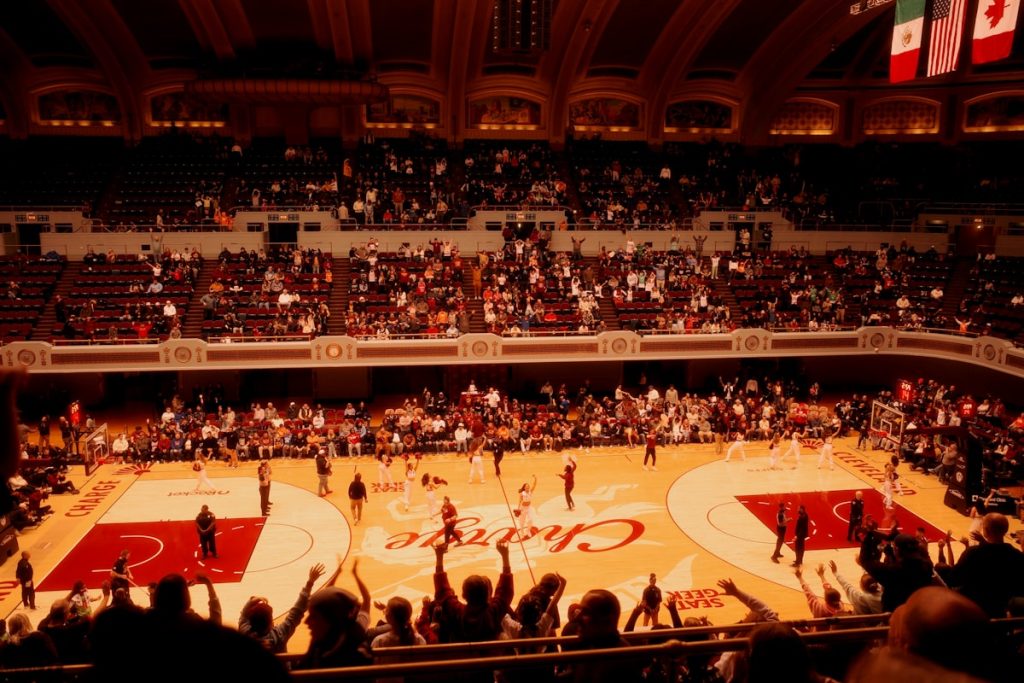
Basketball live betting, also called in-play or in-game betting, allows you to place wagers after a game has started. The available odds can change after every possession, basket, foul, timeout, or injury, so the market moves much faster than pre-match betting.
This format can offer more context than a pre-game wager because you can see the pace, shooting, rotations, and defensive approach before deciding whether to bet. It also carries extra risks: fast-moving prices, suspended markets, delayed broadcasts, and emotional decisions can all affect the outcome.
How basketball live betting works
Before the tip-off, a sportsbook may publish markets such as the match winner, point spread, total points, and team totals. Once play begins, those markets are recalculated using the current score, time remaining, possession, expected pace, and other game information.
For example, a team that was an underdog before the game may become the live favourite after building an early lead. The price may move again after a scoring run, a key player picks up fouls, or the leading team starts resting its starters. Live odds are usually displayed with a countdown or an indication that the market is temporarily suspended.
Some bookmakers use decimal odds, while others offer fractional or American formats. Check the odds format and the potential return before confirming a bet. A displayed price is not guaranteed until the wager has been accepted, and the final odds may differ from the quote shown when you clicked the selection.
Common in-play basketball betting markets
- Live moneyline: A wager on which team will win the game, including any overtime rules stated by the operator.
- Live point spread: A bet on the margin of victory after the handicap is applied to the current in-game situation.
- Live totals: A prediction that the final combined score will be over or under a moving line.
- Quarter or half markets: Wagers on the winner, spread, or total for a specific period of the game.
- Team totals: A prediction about how many points one team will score for the remainder of a period or the full game.
- Next event markets: Some operators offer bets on the next team to score, next basket type, or next free throw. These markets are particularly fast-moving and may have limited availability.
Market rules differ between sportsbooks. Read whether overtime counts, how abandoned games are settled, and what happens if a player does not take part. Player-prop markets may also have separate minimum playing-time or participation rules.
What can influence live basketball odds?
The score is only one part of the pricing model. A live basketball line may also reflect the time left, possession, foul situation, remaining timeouts, shooting efficiency, turnovers, offensive rebounds, and the quality of the players currently on court.
Game pace matters for live totals. A slow first quarter does not automatically mean the final score will stay low. Teams may increase their tempo later, make more three-point attempts, or send the game to the free-throw line more often. Conversely, a high-scoring opening period can be followed by slower possessions and tighter defence.
Player availability is another major factor. A star guard leaving with an injury or a centre reaching a foul limit may change both the spread and the expected total. News from an official broadcast can arrive after the market has already been suspended, so do not assume that every live update is reflected instantly in the displayed price.
Practical considerations before placing a live bet
Use a reliable, authorised sportsbook that clearly displays its live-betting rules and licensing information for your location. A legal operator should explain deposit methods, withdrawal terms, settlement procedures, and how to contact customer support.
Watching a live game can help you understand the context, but a television or streaming feed may be delayed. The sportsbook may receive official data faster than the broadcast reaches your screen. Avoid betting solely because you saw a basket or foul before the odds updated.
Set a budget before the game begins and decide how much of it, if any, can be used for live betting. A single stake should be small enough that losing it does not affect your finances. Do not chase a losing run, increase stakes to recover money, or treat live betting as a way to pay bills. Deposit limits, loss limits, time-outs, and self-exclusion tools can help if betting is becoming difficult to control.
Questions people ask about basketball live betting
Can live basketball odds change during a bet?
Yes. Odds can change between selecting a market and submitting the wager. Many operators use an odds-change confirmation, while others accept the bet only at the updated price. Review the confirmation screen before the wager is final.
Why are live markets suspended?
Markets are commonly paused during possessions, free throws, reviews, timeouts, injuries, or other events that could materially change the price. They may reopen once the operator receives and verifies the latest game information.
Is live betting more accurate than pre-game betting?
It provides more current information, but that does not make it easier or safer to win. Live prices already incorporate the score and many available statistics. Fast decisions, limited time to compare prices, and emotional reactions can make in-play betting especially challenging.
What happens if a basketball game is abandoned?
Settlement depends on the sportsbook’s rules and the market involved. Some bets may stand if the relevant outcome has already been determined, while others may be voided or settled only if the game resumes within a specified period. Check the operator’s basketball betting terms before placing a wager.
Basketball live betting is best approached as a form of entertainment with a fixed cost, not as a dependable source of income. Compare the market rules, understand the timing risks, and only bet money you can afford to lose.