Cricket Betting Explained: Markets, Odds and Match Settlement
Learn how cricket betting works, including decimal odds, match and player markets, format-specific factors, weather rules and responsible betting practices.
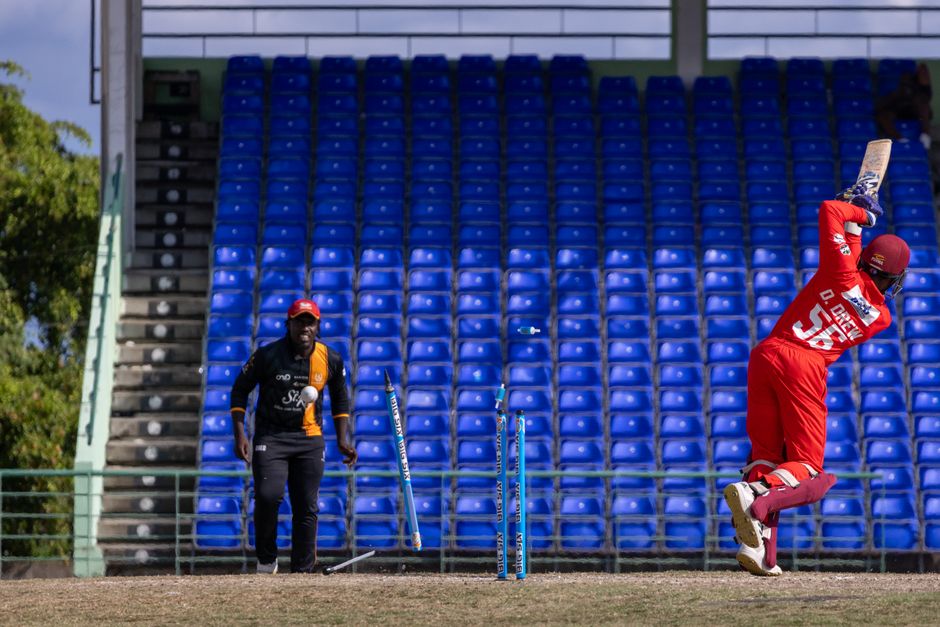
Cricket betting explained simply: a bettor chooses an outcome or statistic, selects odds, and places a stake with a bookmaker. The potential return depends on the odds and the stake, while the final result is settled according to the bookmaker’s rules and the official match result.
Cricket markets can look more complicated than football or tennis because matches have different formats, innings, weather interruptions and many player statistics. Understanding the market wording is more important than predicting every detail of a game.
How cricket betting odds work
Decimal odds are widely used internationally. To calculate the total return, multiply the stake by the decimal odds. For example, a $10 stake at odds of 2.50 produces a $25 total return, including the original stake. The implied probability is calculated as 1 divided by the odds, so odds of 2.50 represent an implied probability of 40% before the bookmaker’s margin is considered.
Some bookmakers also display fractional or American odds. Fractional odds of 3/2 mean a $10 stake would generate $15 in profit, plus the returned stake. American odds use positive or negative numbers and are less common in many African and international betting markets.
Odds are not guarantees. They reflect the bookmaker’s assessment of probability and usually include a margin, sometimes called the overround or vig. Comparing prices across licensed bookmakers can show how much the available odds differ, but it does not remove the risk of losing a bet.
Common cricket betting markets
Match winner: You select the team that will win. The settlement rules should explain what happens if the match is abandoned, shortened or ends in a tie.
Series winner: This market covers the team that wins a multi-match series. A draw, tied series or unplayed matches may be handled differently depending on the terms.
Top run-scorer and top wicket-taker: These player markets usually depend on a player appearing in the match. Check whether bets are void if the player does not take part, and whether a dead heat rule applies when players finish level.
Total runs: A bookmaker may offer an over-under line for a team’s total score, the first innings, a specific over or the whole match. The line can change after the toss or during live play.
Run line or handicap: One team receives a notional advantage or disadvantage in runs. The adjusted scores are used to determine the winning side for the market, not the official match score.
Most sixes, boundaries or player runs: These are statistical markets. Their definitions can vary, particularly around extras, retired hurt players, rain-shortened games and incomplete innings.
In-play cricket betting: Live markets change after every over, wicket, boundary and review. Prices may be suspended while a ball is delivered or when an umpire reviews a decision. A bet accepted after an event may be rejected or repriced if the market was temporarily unavailable.
Why the cricket format matters
Test matches, one-day internationals and T20 games should not be assessed in the same way. A Test match can last up to five days and may end in a draw even when one team has been dominant. Draw-no-bet and match-result markets therefore have different meanings from those used in limited-overs cricket.
One-day matches generally involve a fixed number of overs, often reduced by rain. T20 cricket has fewer overs, so a short period of strong hitting or several early wickets can have a larger effect on the result. Domestic competitions may also use special playing conditions, such as replacement players or different powerplay rules.
Before placing a bet, check the scheduled number of overs, whether the event is an international or domestic match, and how the bookmaker handles shortened games. A market that requires a minimum number of overs may be void if that threshold is not reached.
Factors that influence cricket betting markets
The toss can affect team selection and the decision to bat or field first. Pitch type, boundary dimensions, dew, weather and the quality of the bowling attack may influence scoring conditions. Team news is also significant: a late change to the opening pair, wicketkeeper or pace attack can move the odds quickly.
Recent form should be read alongside opposition quality and venue conditions. A high team total at a batter-friendly ground may not translate to the same performance on a slow pitch. For player props, expected batting position, bowling allocation and whether a player is likely to complete their overs are often more useful than raw averages alone.
Rain creates additional uncertainty. Duckworth–Lewis–Stern calculations can revise a target in limited-overs matches, but bookmakers may settle different markets using different minimum-over requirements. Read the specific rules rather than assuming every bet follows the revised result.
How cricket bets are settled
Settlement normally uses the official result declared by the relevant competition or governing body. A match abandoned before the required conditions are met may lead to void bets, while completed shortened matches may count. A tie can be settled using a super over, a countback rule or a separate tie outcome, depending on the competition and market.
Pay close attention to terms such as “official result,” “scheduled overs,” “player to start,” “dead heat” and “minimum overs.” These details can decide whether a winning-looking selection is paid, cancelled or settled differently.
Safer ways to approach cricket betting
Set a fixed budget before betting and treat each stake as money that can be lost. Avoid chasing losses, increasing stakes after a defeat or betting with borrowed money. A simple record of selections, odds, stakes and results can reveal whether decisions are based on a consistent process or short-term emotion.
Use only legal, licensed operators where you live, verify age requirements and review deposit, loss and time limits. Betting should remain entertainment rather than a way to solve financial problems. If gambling stops feeling manageable, use available self-exclusion and support services in your country.