NASCAR Drivers: Who They Are, How They Race, and What Sets Them Apart
Learn how NASCAR drivers differ by series, racing style, experience, and track speciality, with a closer look at the names and skills that shape stock-car racing.
A NASCAR race can look deceptively simple from the grandstands: several dozen cars circulating an oval at high speed. From inside the cockpit, every lap is a negotiation between grip, traffic, tire wear, fuel strategy, and nerve. The drivers who manage those variables best are not always the ones with the fastest car at the start.
What NASCAR drivers actually do during a race
NASCAR drivers are responsible for far more than steering. They must communicate useful information to the crew chief, protect their tires, judge changing track conditions, and position the car for restarts and late-race traffic. A driver may begin a race with one setup and finish with a car that behaves very differently as the surface heats up and rubber builds on the racing line.
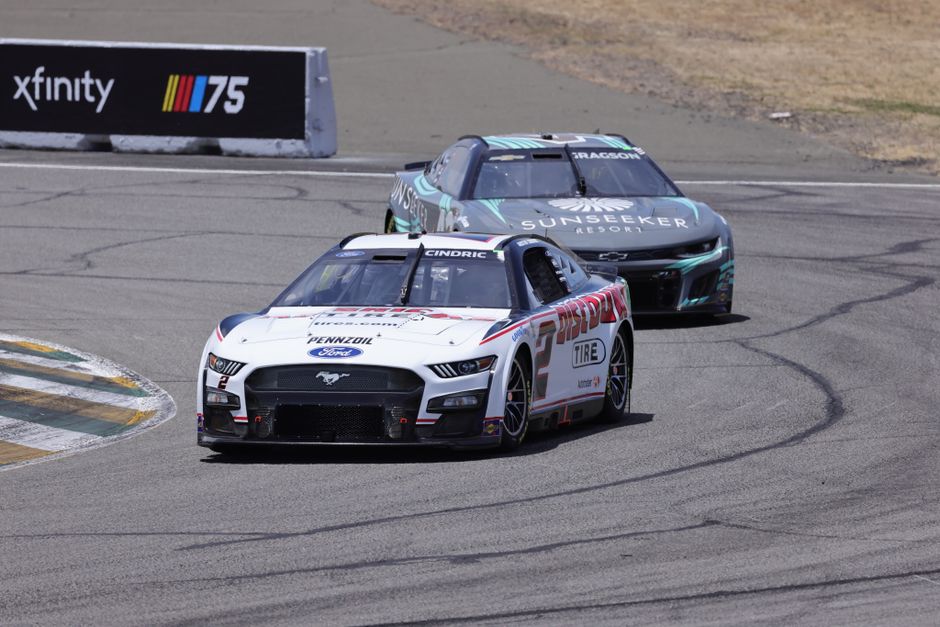
The driver also has to make rapid decisions in a crowded pack. Choosing when to pass, when to save fuel, and when to avoid an incident can matter as much as outright speed. On superspeedways such as Daytona and Talladega, drafting and cooperation are central. On short tracks, braking, throttle control, and close-quarters racing usually have greater influence. Road courses demand another skill set, including left- and right-hand turns, braking zones, and curb management.
This is why comparing NASCAR drivers by career victories alone can be misleading. A driver who excels on road courses may approach a race very differently from one known for performance on high-speed intermediate tracks.
The main NASCAR racing series
When people search for the best NASCAR drivers, they are often referring to the NASCAR Cup Series, the sport’s premier national division. Cup drivers compete in the most powerful stock cars and face the strongest combination of established champions, rising prospects, and specialist talent.
The NASCAR Xfinity Series is the principal support series. It features experienced competitors, developing drivers, and occasional Cup Series regulars. Many future stars build their racecraft there before taking a full-time Cup seat.
The Craftsman Truck Series uses pickup-style race vehicles and has its own competitive identity. It is another important route for young NASCAR drivers, while also attracting veterans who remain highly effective in a different type of stock car.
Drivers can move between these series depending on results, sponsorship, team opportunities, and long-term development plans. A strong Xfinity season does not guarantee immediate Cup success, because the cars, schedules, pressure, and depth of competition are different.
Notable NASCAR drivers and their racing identities
The modern Cup field includes several drivers with clearly different reputations and strengths. Kyle Larson is widely associated with versatility, high-level car control, and success across different forms of racing. Denny Hamlin combines long Cup experience with strong race management and an ability to compete effectively on a wide variety of tracks.
Chase Elliott has built a particularly strong following and is known for road-course ability as well as his performance on traditional ovals. Joey Logano brings championship experience and an aggressive approach to restarts and close racing. Ryan Blaney, William Byron, and Christopher Bell represent a younger generation that has become central to the Cup Series competitive picture.
Other prominent names include Bubba Wallace, Ross Chastain, and Alex Bowman. Their careers illustrate how much driver performance depends on the relationship between a racer, the team, the car manufacturer, and the track type.
Historic NASCAR drivers such as Richard Petty, Dale Earnhardt, Jeff Gordon, Jimmie Johnson, and Tony Stewart remain essential to understanding the sport’s culture. Their records and styles continue to influence how current drivers are evaluated, even though modern equipment, schedules, and championship formats have changed.
How to compare NASCAR driver performance
Race wins are an obvious starting point, but they do not tell the whole story. Analysts also examine qualifying speed, average running position, top-five and top-ten finishes, laps led, stage results, points standings, and performance on specific track types.
Recent form matters too. A driver may be consistently fast without converting that pace into wins because of cautions, pit-road penalties, mechanical problems, or poor track position. Looking at several races rather than one result gives a clearer view of a driver’s current level.
For anyone following NASCAR betting markets, track context is especially useful. A driver’s record at a particular circuit, recent speed in practice and qualifying, team pit-stop performance, and history with similar car setups can be more informative than overall career reputation. Betting decisions should remain separate from fan loyalty, and no driver is a guaranteed winner.
Frequently asked questions about NASCAR drivers
How many drivers compete in a NASCAR Cup Series race?
The field commonly contains around 40 cars, although the exact number can vary by event and entry list. Not every driver is guaranteed a place in every race, particularly when more teams enter than the event can accommodate.
Do NASCAR drivers race in more than one series?
Yes. Some drivers compete full-time in one series and make occasional starts in another. Cup Series competitors may race in Xfinity or Truck Series events, while developing drivers often combine a lower-series schedule with selected higher-level appearances.
What makes a good stock-car driver?
Speed is only one part of the job. Strong NASCAR drivers combine precision, physical endurance, communication, adaptability, traffic awareness, and the ability to preserve tires while remaining competitive.
Where can fans find current NASCAR driver information?
Official entry lists, team announcements, race results, championship standings, and driver profiles are the most reliable sources for current information. Rosters and schedules can change, so older lists should not be treated as a permanent record of the field.