How Many Calories Do Ice Hockey Players Burn?
Ice hockey can burn substantial calories because skating combines repeated sprints, strength, balance, and short recovery periods. Here are realistic estimates by body weight, playing time, and intensity.
Ice hockey players typically burn about 500 to 900 calories during an hour of active skating. A full game may result in roughly 700 to 1,200 calories burned, although the total varies widely by body weight, ice time, skating intensity, position, fitness level, and whether the estimate includes time spent sitting on the bench.
The number shown by a fitness tracker is only an estimate. Hockey involves repeated shifts rather than continuous skating, and devices can struggle to measure rapid changes in intensity.
Estimated calories burned playing ice hockey
The table below gives broad estimates for one hour of recreational or competitive ice hockey. It assumes the player is actively involved in drills, skating, and play for much of that period.
| Player weight | Moderate hockey | High-intensity hockey |
|---|---|---|
| 60 kg / 132 lb | About 500–650 calories | About 650–850 calories |
| 75 kg / 165 lb | About 620–800 calories | About 800–1,050 calories |
| 90 kg / 198 lb | About 740–950 calories | About 950–1,250 calories |
| 105 kg / 231 lb | About 860–1,100 calories | About 1,100–1,450 calories |
These ranges describe energy expenditure during the session, not necessarily the number of calories burned above the amount the body would use at rest. A watch may also report a lower figure if it counts bench time, stoppages, warm-ups, and breaks.
How many calories does a hockey game burn?
A regulation hockey game lasts 60 minutes of playing time, but the event takes much longer because of stoppages and intermissions. Players usually skate in shifts lasting approximately 30 to 60 seconds, followed by recovery on the bench. For that reason, a player may be at the rink for two to three hours but spend far less time performing high-intensity work.
For a 75 kg player, a realistic estimate is often:
- Recreational game: approximately 500–900 total calories
- Competitive game: approximately 700–1,200 total calories
- One-hour hockey practice: approximately 600–1,000 total calories
- Light skating or beginner session: approximately 350–650 total calories
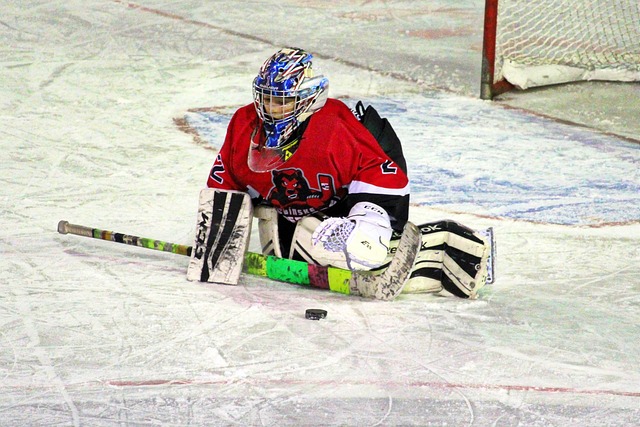
A forward may burn a similar amount to a defenseman over a whole game, but the pattern can differ. Forwards often make frequent short sprints, while defensemen may spend more time skating backward, defending, and handling longer sequences. Goalies generally have a lower average skating workload, but explosive movements and sustained crouching still make goaltending physically demanding.
What affects calories burned during ice hockey?
Body weight
Heavier players usually burn more calories at the same skating intensity because moving a larger body requires more energy. This does not mean body weight alone predicts performance or fitness; it only affects the energy cost of movement.
Ice time and shift length
A player who takes regular shifts and stays involved in drills can burn considerably more than someone who spends much of the session on the bench. Longer shifts, fewer substitutions, and extended puck battles increase the total workload.
Playing style
Repeated acceleration, sudden stops, physical contact, skating uphill into pressure, and carrying the puck can raise energy expenditure. Casual scrimmages with frequent pauses usually burn less than fast competitive play.
Equipment and skating conditions
Full protective equipment adds weight and can increase the effort required to move. Ice quality, temperature, rink size, and the player’s skating technique also affect the result.
How to estimate your own hockey calorie burn
A heart-rate monitor or sports watch can provide a useful personal estimate if it has an indoor hockey or skating profile. Enter your current body weight and wear the device securely. Treat the result as a range rather than an exact measurement, especially if the device does not recognize bench time and intermittent effort.
You can also use a general activity formula:
Calories burned ≈ MET × 3.5 × body weight in kilograms ÷ 200 × minutes
Moderate ice hockey is often estimated around 8 METs, while vigorous play may approach 10 METs or more. For example, a 75 kg player skating vigorously for 60 active minutes would have an estimated expenditure of:
10 × 3.5 × 75 ÷ 200 × 60 = about 788 calories
This calculation is a general estimate, not a laboratory measurement. A session with substantial bench time should use fewer active minutes or a lower average intensity.
Does hockey burn more calories than running?
Ice hockey can burn as many calories as running at a moderate or fast pace, but the comparison depends on duration and intensity. Continuous running keeps the heart rate elevated for the entire session. Hockey alternates explosive skating with rest, so its calorie total may be lower over the same clock time but higher during active shifts.
For weight loss or fitness planning, count the full session realistically and avoid treating a high calorie estimate as permission to replace all burned energy with food. Hydration, carbohydrates for demanding sessions, and enough protein for recovery are usually more useful than chasing a precise number.
Frequently asked questions
How many calories do 30 minutes of hockey burn?
Most players burn roughly 250–600 calories in 30 minutes, depending on body weight and how much of that time is active skating. A light practice may be below this range, while intense drills may be higher.
Do hockey players burn calories on the bench?
Yes, the body continues to use energy while resting, but the rate is much lower than during a shift. A full-game calorie estimate should distinguish between active calories and total calories.
Is hockey a good workout?
Yes. Hockey develops cardiovascular fitness, lower-body strength, balance, agility, coordination, and repeated-sprint ability. Its stop-start structure makes it particularly demanding when shifts are intense.