Half Time Betting Football: Markets, Odds and Smarter Decisions
Learn how half-time football betting works, which markets are available, how live odds change, and what to check before placing a second-half wager.
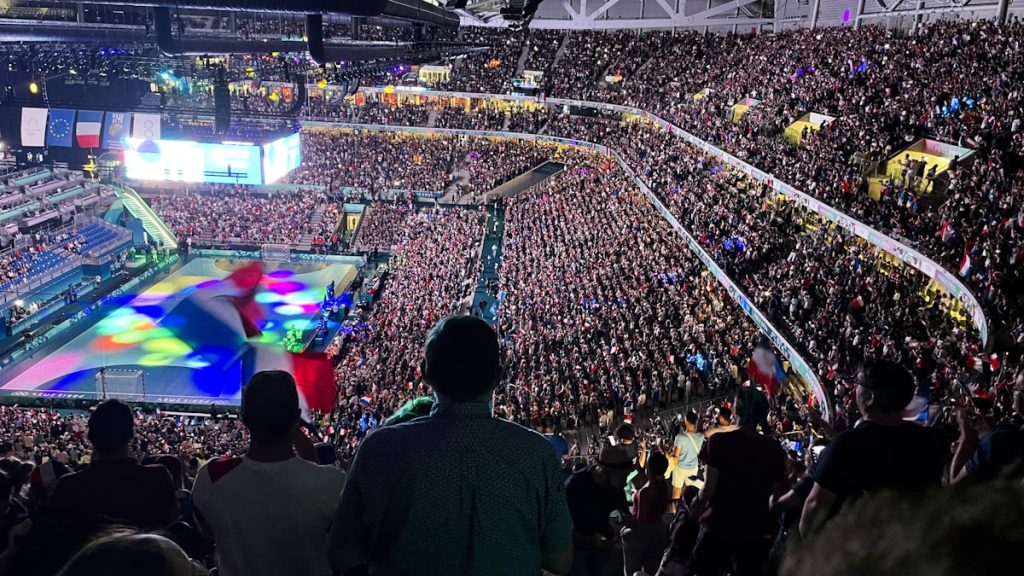
Half time betting football refers to wagers placed during the interval between the first and second halves of a match. By that point, you can assess the score, attacking patterns, injuries, disciplinary issues and tactical changes before deciding whether the available odds offer value.
This is different from pre-match betting because the market has already reacted to events on the pitch. A team that started as the favourite may now be behind, while a side that looked unlikely to score may have created several clear chances. The score matters, but it is only one part of the decision.
How half-time football betting works
Most bookmakers keep selected live football markets open during the break. Prices usually move quickly after the first-half whistle and may change again shortly before the second half begins. Common options include:
- Second-half result: a bet on which team will win the remaining 45 minutes, or whether that period will end level.
- Match result: a wager on the final outcome, using the current score as part of the pricing.
- Second-half goals: markets such as over or under a specified total for goals scored after the interval.
- Both teams to score in the second half: a market focused only on goals after half time.
- Next goal: a prediction about which team will score next, or whether there will be no further goal.
- Correct score: a prediction of the final score, although these odds can be particularly difficult to assess.
Market names, settlement rules and availability vary by bookmaker. Check whether a market covers the full match or only the second half. For example, a second-half total-goals bet normally ignores goals scored before the break, while a full-match total includes them.
What to assess before placing a half-time bet
Read the match beyond the score
A 0-0 score does not automatically mean a low-scoring second half is likely. One team may have hit the post, missed several good chances and forced repeated saves. Conversely, a 2-0 score can flatter a side that has created little and relied on unusual finishing or defensive mistakes.
Look at shots, shots on target, dangerous attacks, possession in advanced areas, set pieces and the quality of chances. Basic statistics are more useful when combined with what you have actually watched. A high shot count made up of long-range attempts is not the same as repeated chances inside the penalty area.
Consider tactics and likely substitutions
Managers often change shape at half time. A team protecting a narrow lead may bring on a defensive midfielder or drop deeper. A side chasing the match may introduce another attacker, switch to two forwards or push its full-backs higher.
These changes can affect second-half betting markets immediately. Also check whether a key player is carrying an injury, has already received a yellow card or is being targeted by the opposition. A substitution that looks minor on a team sheet may have a major effect on the match-up.
Separate live information from market movement
Live odds reflect the score, pre-match expectations, match events and bookmaker margin. A shorter price is not necessarily a better prediction. If a favourite is losing 1-0, its odds may look attractive compared with the pre-match price, but that does not prove the team is likely to recover.
Compare the current price with your own estimate of the probability. If you believe a selection has a 55% chance of winning, fair odds would be about 1.82 in decimal format before any bookmaker margin. A bet only becomes interesting if the offered price is sufficiently higher than your estimated fair price to compensate for uncertainty and margin.
Popular half-time football betting strategies
There is no reliable system that removes risk, but several approaches can help structure analysis:
- Second-half goal markets: these may suit matches where both teams have created chances, defensive lines are tiring and the tactical setup points towards an open contest.
- Backing a team to avoid defeat: a draw-no-bet or double-chance market can reduce exposure when one side has looked stronger but a full match-win bet feels too aggressive.
- Laying an apparently dominant team: a team may lead despite poor underlying play. If its goal came from a penalty or deflection and the opponent is creating better chances, the match result price may deserve scrutiny.
- Waiting for the second half to start: some bettors prefer to observe the first few minutes after a tactical change. This can provide more information, although odds may move against the intended selection.
Use one clear reason for each wager. Combining several opinions into a large accumulator can make it difficult to tell which assumption was wrong and increases the chance of losing the entire stake.
Common mistakes in live football betting
Chasing a losing pre-match pick
A pre-match prediction is not an obligation to continue betting after the game starts. New information should update your view. If the team you backed has been outplayed, adding another bet simply because its price has drifted can turn one loss into a larger one.
Overreacting to one incident
A red card, penalty or late first-half goal can transform a match, but the correct response depends on context. Consider the time remaining, the score, the players involved and whether the event was likely to change the tactical balance before selecting a market.
Ignoring settlement details
Check rules for abandoned matches, extra time, half-time markets and void selections. A bet on the second half is not always settled in the same way as a full-time market. The bookmaker’s rules should take priority over assumptions based on the market name.
Using too little time to assess the price
Live markets can suspend while a bookmaker processes an attack, goal or card. Avoid rushing to place a wager just because the odds are changing. If the price disappears, there will be other matches and other opportunities; a missed bet is preferable to an impulsive one.
Managing risk with half-time bets
Set a fixed betting budget before watching matches and decide the maximum stake for any individual wager. A consistent small stake makes it easier to judge your decisions over time than changing the amount after a winning or losing first half.
Keep a record of the market, odds, reason for the bet and result. This can reveal whether your strongest results come from second-half goals, match-result markets or a particular competition. It can also expose habits such as betting more after a disappointing result.
Football betting involves the possibility of losing money, and no live statistic guarantees an outcome. Use licensed operators where available, follow local laws and avoid betting with money needed for everyday expenses. If betting stops feeling controlled, pause and contact a recognised gambling-support service in your country.