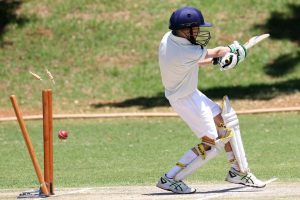
Cricket Total Sixes Betting: Markets, Rules and Analysis
Learn how cricket total sixes betting works, including common markets, settlement rules, pricing factors, match formats and responsible ways to assess a wager.
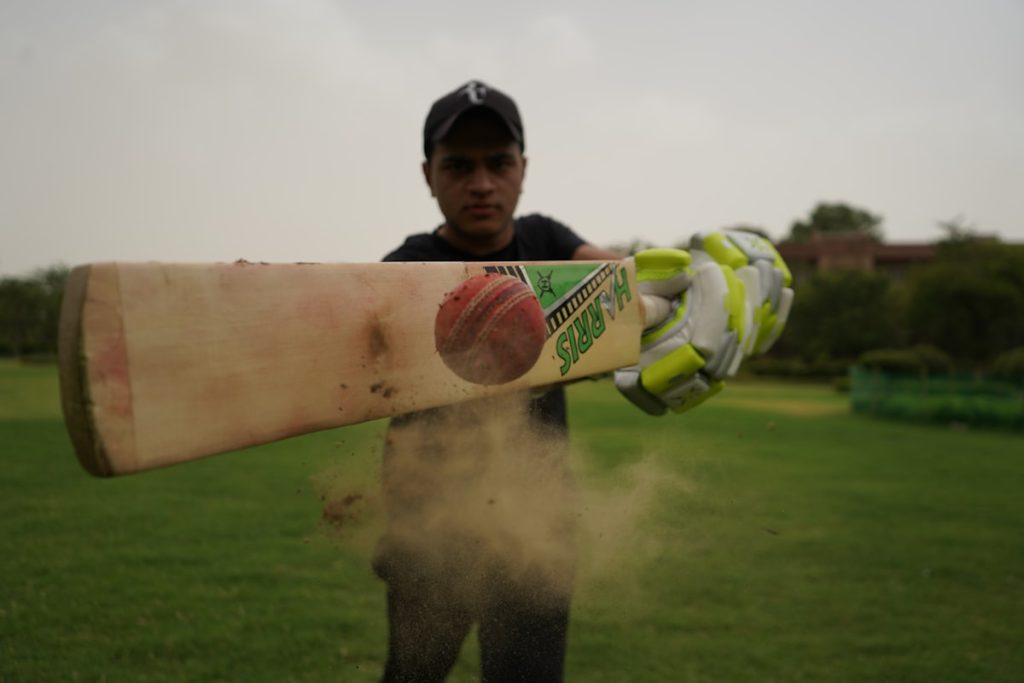
Cricket total sixes betting is a market based on the number of sixes hit during a match, innings or selected period. Instead of choosing the match winner, a bettor predicts whether the final six count will be above or below a bookmaker’s line, or selects a range or exact total where those options are available.
The market can look straightforward, but six-hitting depends on the format, pitch, weather, batting depth, match situation and playing conditions. Understanding how the bet is settled matters just as much as assessing the players.
How cricket total sixes bets work
The most common version is an over-and-under market. A bookmaker may set a total such as 12.5 sixes for a Twenty20 match. An over bet wins if the match produces at least 13 sixes, while an under bet wins if the total is 12 or fewer. The half-number prevents a tie.
Other cricket sixes betting markets can include:
- Team total sixes: the number of sixes hit by one side rather than both teams.
- Innings total sixes: a prediction for a specific innings.
- Player sixes: whether a named batter reaches a particular six count.
- Sixes in an over: a prediction about one over or a short section of the innings.
- Exact sixes: a forecast of the precise final number, usually with higher odds and greater uncertainty.
- Sixes bands: selections such as 0–5, 6–10 or 11 and more.
Always check the market wording before placing a bet. “Match total sixes” may include both completed innings, while a rain-affected market could have a minimum-overs rule. Some providers void certain bets if a match is abandoned; others settle markets after a specified number of overs or according to official competition rules.
What influences a cricket sixes total?
The competition format is usually the first factor to assess. T20 and T10 matches tend to create more aggressive batting conditions, while Test matches and many first-class games generally produce fewer sixes per scheduled day. A one-day international or domestic 50-over match sits between those extremes, although a chase can dramatically change the expected total.
Pitch characteristics also matter. A firm surface with a quick outfield can encourage attacking shots, but the outfield itself does not turn a boundary into a six. Sixes depend on how easily batters can clear the rope, so short boundaries, a good batting surface and limited seam movement may support a higher total. Slow pitches, large boundaries and uneven bounce can reduce clean striking.
Check the confirmed line-ups rather than relying only on season averages. A team may have several power hitters, but a missing opener, finisher or all-rounder can change its six-hitting profile. Player roles are relevant too: an opener facing the powerplay has more opportunity than a lower-order batter who may not arrive until the final overs.
Match conditions can shift during play. A strong chase may produce a late surge in sixes, while a team defending a modest score could use safer batting. Wind direction, dew, interruptions and the required run rate can all affect live cricket sixes betting. In-play prices also change quickly, and a short run of boundaries should not automatically be treated as proof that more sixes are coming.
How to assess a total sixes line
Start with comparable data rather than a single headline statistic. Look at recent sixes by both teams in the same format, then separate home and away matches where the venue makes a meaningful difference. Recent numbers are useful, but small samples can be misleading, especially when opponents and pitch conditions vary.
Useful questions include:
- How many overs are each team likely to face?
- Are the main six hitters available and batting in their usual positions?
- Does the venue have short or long boundaries?
- Has the pitch historically favoured stroke play or controlled bowling?
- Could rain reduce the number of available overs?
- Does the bookmaker’s line already reflect the most obvious attacking players?
Compare the quoted odds with your own estimate instead of assuming that a higher line is automatically attractive. A bet only has potential value when the probability you assign to the outcome is greater than the probability implied by the odds. That estimate will always contain uncertainty, and sports markets can incorporate information that is not visible in a basic team average.
Settlement details and common mistakes
Abandoned and shortened matches are a frequent source of confusion. A total sixes wager may be void if the match does not reach the bookmaker’s minimum overs threshold, while another market may be settled under a competition-specific rule. Read the event’s rules before betting, particularly for tournaments with reserve days or adjusted targets.
Do not confuse fours with sixes when reviewing scorecards. A batter’s total boundaries may be high even when the six count is modest. It is also easy to overlook super overs, innings reductions or a change in the listed market, so verify whether the bet covers the full scheduled match or only a named innings.
Responsible use of cricket betting markets
Total sixes markets can be volatile: one over, a dropped catch, a change in weather or an early dismissal may materially alter the outcome. Set a fixed budget, avoid chasing losses and treat any statistical projection as an estimate rather than a guarantee. If betting stops feeling recreational or spending becomes difficult to control, use the operator’s deposit limits, time-outs or self-exclusion tools and seek independent support in your country.