Draw No Bet Explained: How DNB Football Betting Works
Draw no bet removes the draw as a losing outcome: your stake is returned if the match finishes level, while a win or loss depends on the team you selected.
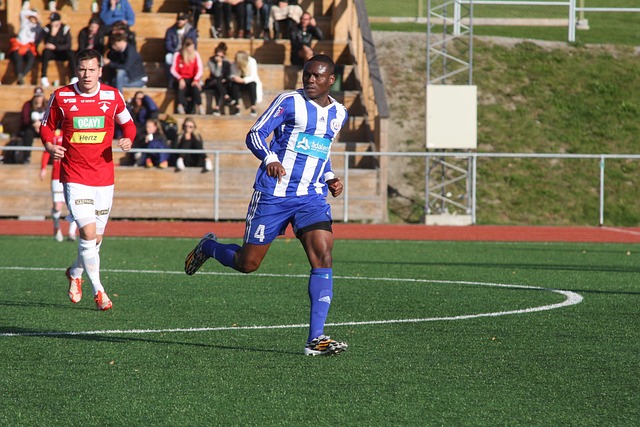
A draw no bet market is designed for football matches where you want to back one team but do not want a draw to count as a loss. If the match ends level, the bookmaker voids the selection and returns your stake. If your team wins, the bet wins; if your team loses, the bet loses.
What does draw no bet mean?
Draw no bet, often shortened to DNB, is a three-outcome football market with the draw removed from the settlement. You choose either the home team or the away team, but there is no separate draw selection.
For example, suppose you select Arsenal in an Arsenal-versus-Chelsea draw no bet market:
- Arsenal win: the bet wins.
- Match drawn: the stake is returned.
- Arsenal lose: the bet loses.
The returned amount on a drawn match is normally the original stake, not a profit. If you stake $20 and the match finishes 1-1, you receive your $20 back and no winnings.
How draw no bet odds work
DNB odds reflect the bookmaker’s view that the selected team has a better chance of winning than losing, while also accounting for the possibility of a draw. Because the draw is protected, draw no bet odds are usually lower than standard match-winner odds for the same team.
Imagine a team is priced at 2.10 to win the match outright but 1.55 in the draw no bet market. The lower DNB price reflects the fact that a draw does not produce a loss. The exact odds vary according to team strength, injuries, home advantage, form, market demand and the bookmaker’s margin.
Odds formats differ by country and platform. Decimal odds show the total return including the stake, while fractional and American odds express the potential profit in different ways. Check the market rules before placing a bet, particularly if the bookmaker offers enhanced or promotional prices.
Draw no bet versus double chance
Draw no bet and double chance both provide protection against one match result, but they do so differently.
| Market | Selected outcome | If the match is drawn |
|---|---|---|
| Draw no bet | One team to win | Stake returned |
| Double chance | One team to win or the match to be drawn | Bet wins |
| Match winner | One team, draw or the other team | Depends on selection |
A double chance bet usually has lower odds than draw no bet because it wins when two results occur. With DNB, a draw is void rather than a winning result. That distinction affects both the payout and the way the market should be assessed.
Draw no bet compared with an Asian handicap
Draw no bet is closely related to an Asian handicap of 0.0. In many football betting markets, selecting a team at an Asian handicap of 0 is settled in the same way: a team win produces a win, a draw returns the stake, and a loss produces a loss.
The wording, available odds and settlement rules can differ between bookmakers. Some platforms list the market under Asian handicap rather than DNB, and some apply separate rules to extra time, abandoned matches or postponed fixtures. Read the specific terms instead of assuming that every similarly named market is identical.
When can draw no bet be useful?
Some bettors consider DNB when they believe one team has an edge but expect a competitive match with a meaningful draw risk. It can also be used when a stronger home side faces an organised opponent and the bettor wants more protection than a standard win selection provides.
That protection has a cost: the odds are reduced. DNB is not automatically better value than a match-winner bet. A sensible comparison should consider the estimated chances of a win, draw and loss, along with the price available. Recent results alone are not enough; line-ups, tactical matchups, injuries and the difference between home and away performance may matter more.
Common draw no bet rules to check
Most standard football DNB markets refer to the scheduled match time, usually 90 minutes plus stoppage time. Extra time and penalties generally do not count unless the bookmaker clearly says otherwise. This is especially relevant in cup competitions and knockout matches.
- Postponed matches: check how long the fixture can be rescheduled before the selection is void.
- Abandoned matches: the bookmaker may void the market unless the stated conditions for settlement have been met.
- Venue changes: some terms treat a change of venue as a material alteration.
- Multiple bets: a void DNB selection may be removed from an accumulator, with the remaining selections recalculated.
- Promotional markets: boosted odds can carry rules that differ from the standard football market.
Rules vary by operator and jurisdiction, so the market information displayed on the bet slip takes priority. If the terms are unclear, avoid assuming how the selection will be settled.
A simple draw no bet example
You place a $10 draw no bet selection on Team A at decimal odds of 1.80. If Team A wins, the total return is $18, including the $10 stake, and the profit is $8. If the match is drawn, the $10 stake is returned. If Team A loses, the $10 stake is lost.
This example shows why DNB is different from a bet on Team A to win. The draw has been removed as a losing result, but it has also been removed as a profitable result. The reduced odds compensate for that protection.
Responsible use of draw no bet markets
A protected draw outcome does not remove the financial risk of betting. Set a budget before betting, use only money you can afford to lose and avoid chasing losses after an unsuccessful selection. Odds describe probabilities rather than certainties, and even a carefully researched DNB bet can lose.