Cricket Betting Markets Explained: Types, Odds and Key Terms
Learn how cricket betting markets work, from match winners and totals to player props, innings markets, draw betting and live cricket wagers.
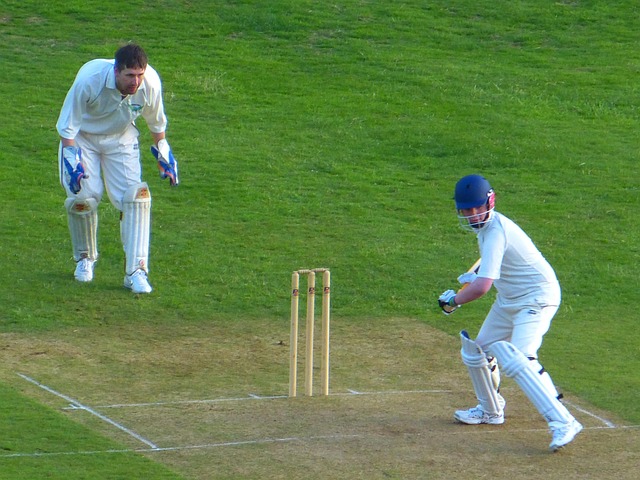
Cricket betting markets are the different types of wagers available on a match, innings, player or tournament outcome. The most familiar option is backing a team to win, but bookmakers may also offer markets on totals, margins, partnerships, wickets, top run-scorers and individual innings events.
Understanding the market structure is essential before comparing prices. A wager can look attractive because of a high payout, but the result may depend on specific settlement rules, abandoned matches, rain interruptions or whether the market refers to one innings or the entire match.
Common cricket betting markets
Match winner
The match-winner market asks which team will win the game. In limited-overs cricket, this is usually a two-way market. Test matches and some first-class fixtures may include a draw option, creating a three-way market: home team, away team or draw.
Some bookmakers display the draw separately, while others use a double-chance style market such as team one or draw. Check the competition format and settlement terms, since a tied match may be settled differently from a drawn match.
Run line and handicap markets
A run line, handicap or spread market gives one team a notional advantage or disadvantage. For example, a team may need to win by more than a specified number of runs, while the opposing team can cover the handicap by staying within that margin.
Handicap betting can also be based on wickets. A side backed at a wicket handicap may need to win by a certain number of wickets, or avoid losing by more than the stated margin. The exact calculation varies between operators.
Total match runs
Total-runs markets involve the combined score of both teams, or sometimes the score of a named team. The main options are usually over or under a bookmaker’s line. Match totals, team totals and innings totals should not be treated as interchangeable, because each covers a different scoring period.
Innings markets
An innings market can cover the winner of a particular innings, the total runs scored, the number of wickets lost or the score after a set number of overs. Limited-overs cricket commonly features powerplay markets, such as runs scored during the first six overs in a one-day or Twenty20 match.
Player performance markets
Player props focus on an individual contribution. Common examples include:
- Top batter or top run-scorer for a team or match
- Top bowler by wickets
- A batter’s total runs
- A bowler’s total wickets
- Player to score a fifty or century
- Player to take a specified number of catches
Player markets carry additional uncertainty because selection, batting position, bowling role, injuries and substitutions can affect settlement. Confirm whether a player must take part for the wager to stand.
Specialist and live cricket markets
Partnership and dismissal markets
Partnership markets may ask how many runs a batting pair will add before the next wicket, or whether a partnership will pass a listed total. Dismissal markets can cover the method of the next wicket, the team to lose the next wicket or the player responsible for a dismissal.
Next over and next event markets
Short-term cricket markets may offer predictions on the next over’s runs, the next wicket, the next boundary or whether an over will contain a six. These wagers settle quickly but are highly sensitive to the current batter, bowler, pitch conditions and match situation.
Live cricket betting
Live or in-play markets update during the match. Prices can change after every delivery, wicket, boundary and review. Common in-play options include the next team to score, the next wicket, innings totals, revised run lines and the match winner.
Live betting also creates a delay between an attempted wager and acceptance. A price may change or a market may suspend while the ball is bowled. Use the displayed odds and final confirmation as the record of an accepted bet rather than relying on a previously shown price.
How cricket betting odds are affected
Cricket odds reflect the bookmaker’s assessment of the possible outcomes and include a margin. Team strength matters, but so do toss results, venue characteristics, weather, pitch behaviour, squad announcements, batting order, bowling workload and the format of the match.
In Test cricket, weather and the amount of remaining playing time can make draw betting especially significant. In limited-overs cricket, the target, required run rate, wickets in hand and number of overs remaining are central to live prices. A rain delay can also produce a revised target under the competition’s playing conditions.
Decimal odds show the total return including the original stake. For example, odds of 2.50 represent a total return of 2.50 units for each unit staked before any applicable deductions. The implied probability is calculated as 1 divided by the decimal odds, although the bookmaker’s margin means market prices do not represent a neutral probability.
Market rules to check before placing a wager
- Match format: Check whether the market covers a Test, one-day international, domestic one-day match or Twenty20 fixture.
- Abandonment: Find out whether a minimum number of overs must be completed before the market is settled.
- Rain and revised targets: Rules may differ for match-winner, totals and handicap markets after an interruption.
- Tied results: Determine whether a tie is settled as a separate result, voided or decided by a super over.
- Player participation: Player bets may be void if the named player does not bat, bowl or take part, depending on the operator’s rules.
- Dead heats: Multiple players sharing a result may trigger a dead-heat settlement rather than a full payout on each selection.
- Data source: Some specialist markets depend on an official scorer or named statistics provider.
Comparing cricket markets responsibly
Compare the full terms as well as the headline odds. A higher price is not automatically better if the market has a narrower definition or less favourable abandonment rules. Keeping stakes small and fixed can help prevent a losing run or live-betting decisions from escalating.
Sports betting involves financial risk and no cricket market is guaranteed. Only use regulated services available in your jurisdiction, follow local age requirements and avoid betting with borrowed money. If gambling stops feeling recreational, pause and use the deposit limits, time-outs or support services provided by a licensed operator.