How to Bet on Cricket: Markets, Odds, and Match Analysis
Learn how cricket betting works, including match formats, common markets, odds, statistical analysis, and the risks that every bettor should understand.
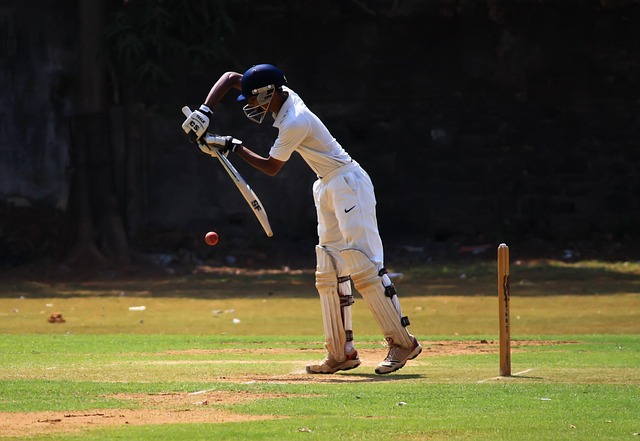
Cricket betting involves predicting an outcome or event in a match and comparing that prediction with the odds offered by a licensed bookmaker. The sport has several formats, changing match conditions, and a wide range of markets, so a sensible approach begins with understanding the competition rather than placing a wager immediately.
Before betting, check that gambling is legal where you live, use an operator licensed by the relevant authority, and meet the applicable minimum-age requirement. Betting should be treated as paid entertainment, not as a way to generate income. No method can remove uncertainty or guarantee a winning result.
How cricket betting works
A cricket bet normally has three parts: the market, the selection, and the odds. The market describes what is being predicted, such as the match winner or total runs. The selection is the outcome chosen, while the odds indicate the potential return and the bookmaker’s assessment of probability.
Decimal odds are common internationally. A successful $10 stake at odds of 2.50 returns $25, including the original stake, while the net profit is $15. The implied probability can be estimated by dividing 1 by the decimal odds. Odds of 2.50 imply 40% before accounting for the bookmaker’s margin. This estimate is not a prediction of the true probability; it is a price that includes the operator’s business margin and may differ from the actual chance of the outcome.
Most sportsbooks allow either pre-match betting or live cricket betting. Pre-match prices are based on information available before play. In-play odds change as wickets fall, runs accumulate, weather develops, and the required run rate shifts. Live markets can be harder to assess because prices move quickly and may be suspended while a delivery or review is taking place.
Cricket betting markets explained
Match winner
The match-winner market asks which team will win. In limited-overs cricket, a tie or abandoned match may be handled under specific bookmaker rules, so read the settlement terms before betting. In Test cricket, a draw is usually a separate selection because all three results are possible.
Series and tournament markets
Outright markets cover longer events, such as the team that will win a series or tournament. These bets are affected by squad depth, injuries, the draw, scheduling, and the format of the competition. Their odds can change substantially between matches, but the stake may remain tied up for much longer than a single-match wager.
Run totals and handicaps
Totals markets predict whether a team or match will finish above or below a specified number of runs. Handicaps adjust the starting position of one side to create a more balanced price. These markets require attention to overs, innings length, rain regulations, and the bookmaker’s rules for shortened matches.
Player and performance markets
Player props may cover runs scored, wickets taken, catches, or a player’s performance in a specified innings. The relevant conditions include batting position, expected playing time, bowling allocation, pitch behaviour, and whether the player is confirmed in the XI. A player who is selected in the squad may still not appear in the starting lineup.
Innings and over markets
Some operators offer bets on the score after a particular over, the next wicket, the method of dismissal, or the result of an individual over. These markets can be highly volatile because one delivery may change the result. They also often carry wider margins and more restrictive settlement conditions than the main match market.
Why cricket format changes the analysis
Test matches can last up to five days and include the possibility of a draw. Session progress, pitch deterioration, declarations, follow-ons, and weather forecasts all affect the probability of each result. A team may be stronger overall but still be a poor match-winner selection if rain reduces the available playing time.
One Day Internationals usually involve 50 overs per side. Powerplay restrictions, middle-over scoring, death-over batting, and bowling depth are central factors. A side’s ability to preserve wickets can matter as much as its early scoring rate because wickets in hand influence the final overs.
Twenty20 cricket has fewer overs and greater variance. Boundary frequency, powerplay performance, specialist death bowling, and the toss can have a relatively large effect on a single match. Short formats produce more upsets because a small number of deliveries account for a greater share of the final result.
Domestic leagues may add player rotation, travel, unfamiliar conditions, and changing team combinations. International matches can involve stronger preparation but may also be affected by workload management. The same statistical record should not automatically be treated as comparable across formats, venues, or levels of competition.
How to assess a cricket match
Start with information that has a direct connection to the market. Confirm the venue, format, scheduled overs, weather, pitch reports, team news, and final playing XIs. Check whether a player is returning from injury or has a workload restriction. Selection news can move prices quickly, particularly when a team loses its opening batter, lead spinner, or death-overs bowler.
Compare teams by role rather than relying only on rankings. Relevant questions include:
- How well do the openers handle the expected new-ball conditions?
- Does the batting order have depth after the main run scorers?
- Which bowlers are likely to operate during the powerplay and final overs?
- How does the team perform against the opponent’s main bowling types?
- Has the side played effectively at this venue or in similar conditions?
- Is the result likely to depend on chasing, setting a total, or adapting to a deteriorating pitch?
Use statistics that match the question being asked. Recent form can provide context, but a small sample may exaggerate temporary variation. Venue records can be useful, although past matches may involve different squads and conditions. Strike rate, economy rate, boundary percentage, dot-ball rate, wickets lost, and expected playing roles can each add information, but none should be viewed in isolation.
Tosses, weather, and shortened matches
The toss matters differently across formats and venues. Captains may prefer to bat first on a surface expected to worsen, or chase when dew is likely to make bowling harder. However, toss effects are not universal. A historical toss trend should not outweigh clear differences in team strength or current conditions.
Weather creates additional uncertainty. Rain can reduce overs, interrupt momentum, and increase the chance of a no-result or draw. In limited-overs cricket, a revised target may be calculated under competition-specific rules. Read the bookmaker’s policy for abandoned matches, reduced-overs contests, and bets that have already been decided before an interruption.
Common mistakes in cricket betting
One common mistake is treating the strongest team as an automatic value bet. A likely winner can still be priced too short if the odds imply a probability higher than the team’s realistic chance. Another is using head-to-head results without considering changes in venue, format, personnel, and playing conditions.
Live betting can also encourage impulsive decisions. A team that loses an early wicket is not necessarily in trouble, and a fast start does not guarantee a high total. Avoid chasing losses by increasing stakes after an unsuccessful bet. Parlays and accumulators can produce large advertised returns, but every selection must win and the combined bookmaker margin can make the overall wager difficult to price favourably.
Do not assume that specialist markets are easier than match betting. Player props and delivery-level markets often contain less publicly comparable information, may have wider margins, and can depend on precise settlement definitions.
Managing risk responsibly
Set a gambling budget before placing a bet and use only money that you can afford to lose. A fixed staking approach makes results easier to evaluate than changing the amount in response to emotions. Keep records of stakes, odds, selections, and outcomes so that you can distinguish genuine improvement from short-term variance.
Loss limits, deposit limits, time limits, cooling-off tools, and self-exclusion may be available through licensed operators. Stop betting if it is interfering with finances, work, relationships, or sleep, or if you are hiding your activity. Gambling support services in your country can provide confidential help. The safest approach is not to bet at all if you are underage, prohibited from gambling, or concerned about your control over it.
Good cricket betting analysis does not predict every result. It clarifies the market, tests the available evidence, accounts for uncertainty, and keeps the financial risk within a predetermined limit.