Cricket Session Betting: How Runs-Based Markets Work
Learn how cricket session betting is structured, what over and innings markets measure, how odds can change during play, and which risks deserve attention before placing a wager.
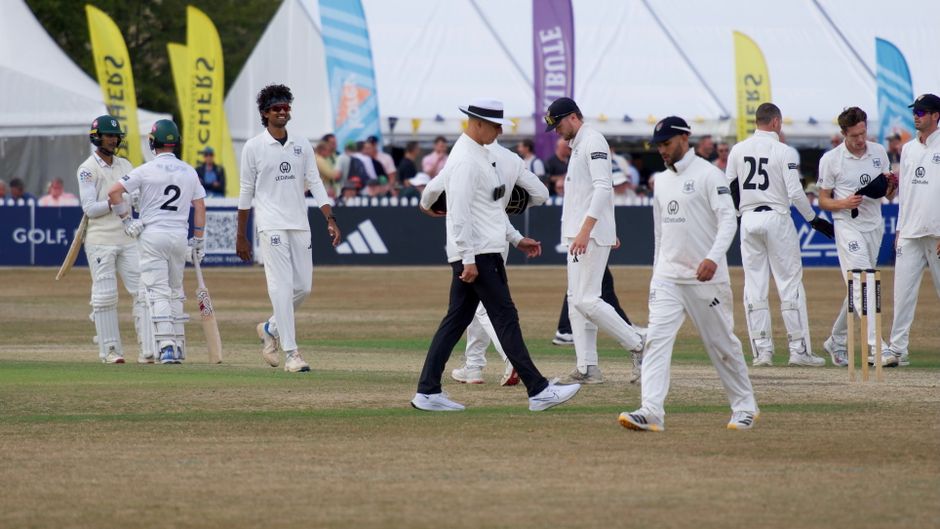
A cricket session can last only a few overs, yet the betting market around it may change after almost every delivery. A dropped catch, a bowling change, or two boundaries in succession can move the expected run range sharply. Cricket session betting focuses on these smaller periods rather than asking who will win the entire match.
What cricket session betting means
In cricket betting, a “session” is a defined passage of play used by a bookmaker to set a runs-based market. The period may cover a specified number of overs, a scheduled part of an innings, or another clearly stated scoring interval. The exact definition varies by sport, competition, and operator, so the market rules should be read before any bet is considered.
The most common cricket session markets relate to the number of runs scored during that period. A bookmaker may publish a line such as over or under a particular total. Other formats can include a range of possible runs, a prediction about whether a threshold will be reached, or a market linked to the first innings or a particular team.
These bets differ from match-winner markets because the result depends on a short sequence of play. The quality of the opening batters, the condition of the pitch, the available bowlers, the number of wickets remaining, and the required run rate can all influence the likely outcome.
How session run markets are settled
Suppose a market covers a stated group of overs and offers an over-or-under line. The bet is settled using the runs scored in that defined period, subject to the bookmaker’s rules. Extras, penalty runs, interruptions, abandoned play, and revised match conditions can affect settlement, which is why the wording around a market matters as much as the displayed odds.
Session betting may appear before play or during a live innings. Pre-match prices are based on projected conditions and expected line-ups. Live prices respond to what is actually happening: the current score, wickets lost, balls remaining, weather, field settings, and the attacking or defensive choices of both teams.
Live cricket session betting can feel especially fast because a single over supplies a large amount of new information. That speed also creates a risk of making decisions from incomplete information. A broadcast delay, a delayed scoreboard, or an unconfirmed injury can mean the price no longer reflects the same situation shown on screen.
Factors that influence a cricket session prediction
Recent scoring form is only one part of the picture. A batter who scored quickly in the previous over may face a different bowler, a new ball, or a more defensive field next. Likewise, a strong batting line-up may not produce many runs if early wickets force a cautious approach.
- Pitch and weather: Surface pace, swing, rain, dew, and visibility can alter both scoring and wicket-taking conditions.
- Wickets in hand: A team with established batters may attack more freely than a side rebuilding after several dismissals.
- Bowling resources: The remaining overs of specialist fast bowlers or spinners can be more relevant than their overall reputation.
- Match situation: Required run rate, tournament context, and the target can change the value of risk-taking during a session.
- Market definition: The number of overs, innings, team, and settlement treatment must all match the assumption behind the bet.
These variables make session markets difficult to evaluate from a score alone. A total of 40 runs might indicate an aggressive passage in one match and a restrained one in another, depending on the pitch, wickets, and number of legal deliveries in the market.
Common mistakes in session cricket betting
One frequent mistake is treating a short-term market as predictable simply because it covers fewer overs. Shorter periods can produce greater variance: one edge, misfield, or boundary can have a large effect on the final total. A recent run of high scores does not guarantee that the next session will follow the same pattern.
Another mistake is overlooking the difference between legal deliveries and the market’s stated coverage. Wides, no-balls, rain interruptions, and shortened matches may be handled differently across operators. If the rules do not explain what happens in an unusual situation, the market may not be suitable for a confident decision.
It is also risky to chase a losing session bet by immediately placing another one. Live markets are designed to update quickly, and repeated decisions made under pressure can turn a small loss into a much larger one. Set a budget in advance, avoid using money needed for essentials, and treat any stake as money that could be lost.
Responsible approach to cricket session markets
There is no reliable method that removes the uncertainty from cricket session betting. Odds reflect probability rather than certainty, and a well-reasoned selection can still lose. Compare the market with your own understanding of the conditions, but do not interpret analysis as a guarantee of profit.
Use only licensed services available in your jurisdiction and check the local rules on sports wagering. Deposit limits, time-outs, self-exclusion tools, and loss limits can help keep betting within a defined entertainment budget. Anyone who feels unable to control their betting should stop and seek support from a recognised gambling-help organisation in their country.