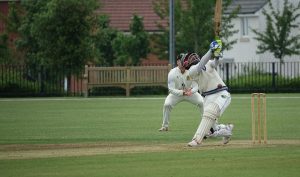
Cricket In-Play Betting Strategy: Reading the Match as It Develops
Learn how to assess live cricket betting markets, interpret match momentum, compare odds with on-field conditions, and manage risk without relying on emotion or guesswork.
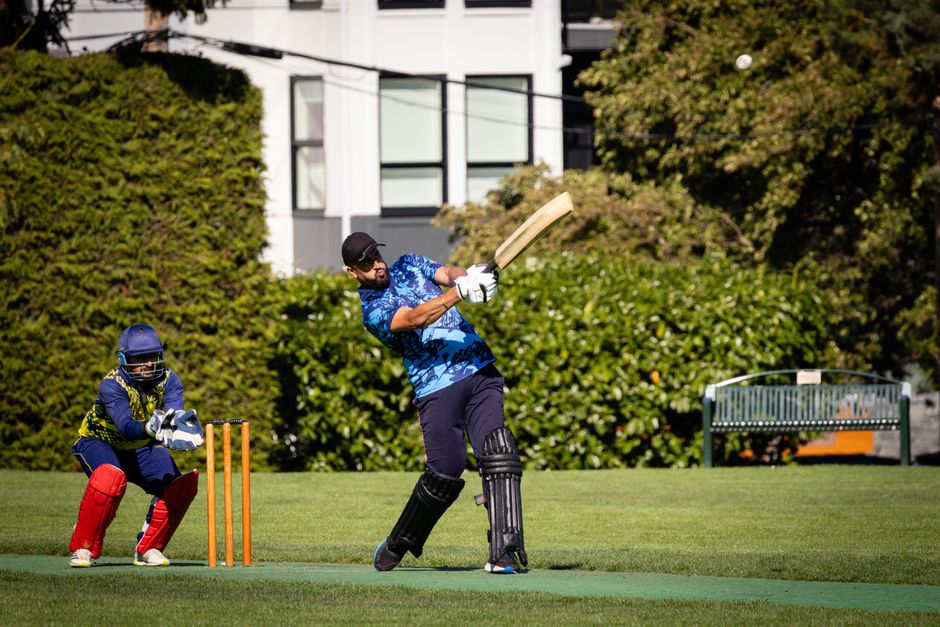
Cricket in-play betting strategy is based on updating your view of a match as new information appears. The score, wickets, required run rate, pitch behaviour, weather, batter-ball matchup and remaining resources can all change the value of a live market within a few overs.
The aim is not to predict every delivery. It is to decide whether the available odds fairly reflect the current state of the game, then stake an amount that remains manageable if the assessment is wrong.
What to assess before placing a live cricket bet
Start with the match context rather than the latest boundary. A six may improve a team’s position, but its significance depends on the wickets remaining, the target, the quality of the bowlers still available and the stage of the innings.
- Score and overs: Compare the current total with the par score suggested by the venue, format and innings stage.
- Wickets in hand: A team with several wickets available can usually take more risks than a side with a long tail exposed.
- Required run rate: In a chase, calculate how many runs are needed per over and compare that figure with the batting side’s recent scoring rate.
- Bowling resources: Check which specialist bowlers have overs left, particularly death-overs specialists in limited-overs cricket.
- Pitch and weather: A slowing surface, dew, wind or possible rain can affect scoring, grip and the value of a revised target.
- Player roles: A recognised batter at the crease is not equivalent to a lower-order player, even if both teams have the same number of wickets remaining.
Live scorecards can also lag behind events, especially after a wicket, review or boundary. Confirm the ball-by-ball sequence and settlement rules before acting on a price that appears unusually generous.
Useful cricket in-play betting markets
Match winner
The live match-winner market is the most direct option, but it is not automatically the easiest to price. Odds often move sharply after wickets and during productive overs. A better approach is to compare the new price with the match situation instead of reacting simply because one side has shortened.
Next wicket and next over markets
These markets can be highly sensitive to the current batter, bowler and field. Before considering a next-wicket bet, check whether the incoming batter is likely to face the main strike bowler and whether the market includes all dismissals or only a particular type. For next-over markets, review the likely bowler, the batters facing the first deliveries and the field restrictions in force.
Total runs and innings markets
Live totals require more than comparing the current score with the pre-match line. Estimate the remaining scoring potential using wickets, batting depth, overs left and the bowlers available. A strong powerplay does not always justify a high final total if the middle order is exposed or the pitch is becoming slower.
Player performance markets
Player bets can become more informative once a batter has settled in or a bowler’s role is clear. However, examine whether the market is still open, how retirements or injuries are handled and whether a player is likely to bat or bowl again. Rules vary between operators and competitions.
How to build a practical live betting process
A repeatable process helps reduce impulsive decisions. Before placing a bet, record the current score, overs, wickets, target if relevant, likely next bowler and the odds being offered. Then estimate a reasonable range of outcomes rather than relying on a single exact prediction.
For a chase, a simple starting calculation is:
Required run rate = runs remaining ÷ overs remaining
This figure is only a starting point. A required rate of eight runs per over may be manageable for an established top-order pair on a good batting surface, but much harder for a lower order facing a fresh group of specialist bowlers.
Also compare the live price with your own probability estimate. If you believe a team has a 60% chance of winning, fair decimal odds before any margin would be about 1.67. A much lower offered price may not provide value, even if that team is the more likely winner. This is an assessment of price, not a promise of profit.
Timing, market suspension and odds movement
Cricket betting markets may suspend during deliveries, reviews, wickets and other significant events. Prices can change before a bet is accepted, so check the confirmed odds and stake after submission. Never assume that a displayed price is final until the wager is accepted.
There is no universal best moment to place an in-play cricket bet. Waiting can provide more information, but the price may move against you. Acting early may offer a better number, while leaving more uncertainty about conditions. The choice depends on how much information your assessment requires and how much variance you are willing to accept.
Be cautious with momentum narratives. A sequence of boundaries can influence the market, but it may not change the underlying probability as much as a wicket, injury or bowling change. Distinguish between a genuine tactical shift and short-term noise.
Bankroll control and common mistakes
Use a fixed betting budget and decide your maximum stake before watching the match. Flat staking, such as risking the same small percentage of a separate betting bankroll, can help prevent one dramatic over from dominating your decisions. Do not increase stakes to recover a previous loss, and avoid betting with money needed for ordinary expenses.
Common mistakes include:
- Chasing a team after a sudden price move.
- Ignoring wickets and batting depth when focusing on the run rate.
- Backing a pre-match favourite after its position has materially worsened.
- Placing multiple correlated bets that all depend on the same outcome.
- Using live betting while distracted, tired or affected by alcohol.
- Assuming an attractive price is valuable without estimating the probability behind it.
In-play betting is fast and can make losses feel more immediate. Set deposit, loss and time limits where available, and take a break if betting stops feeling controlled. Availability and legal requirements differ by country, so use only licensed services permitted in your location.
Questions to ask before betting on live cricket
Is live cricket betting more accurate than pre-match betting?
Live markets provide more information, but that does not make them automatically easier to beat. Prices also adjust quickly, and the operator’s margin remains part of the odds. More information can improve an assessment while still leaving considerable uncertainty.
Which cricket format is best for in-play betting?
There is no single best format. T20 matches produce frequent score changes and many short-term markets, while one-day and Test matches offer different signals involving pace, conditions and session context. Choose a format you understand rather than one that simply offers more betting opportunities.
Should momentum influence a live bet?
Momentum can matter when it reflects a real change in conditions, such as a new batter struggling against swing or a spinner exploiting a turning surface. It should not be treated as a standalone betting signal. Connect any momentum observation to measurable factors such as wickets, run rate, matchups and resources remaining.