Cricket First Innings Betting: Markets, Odds and Match Factors
Learn how cricket first innings betting works, including total-runs markets, powerplay lines, key odds factors, settlement rules and responsible staking considerations.
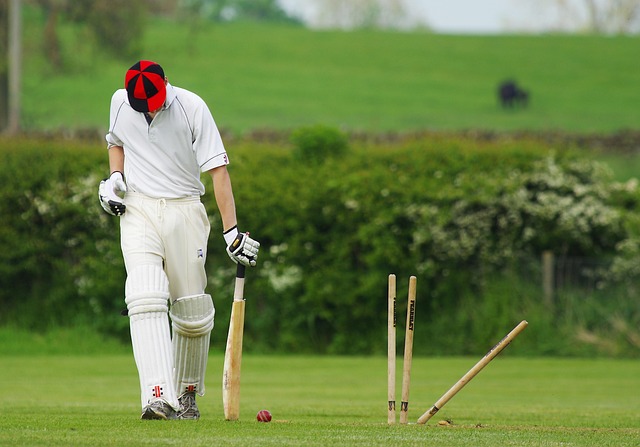
Cricket first innings betting focuses on what happens during the opening innings of a match, before the chasing side bats. Depending on the sportsbook and format, you may be able to bet on the first-innings total, team runs, powerplay score, top batter, total wickets or the result of selected overs.
The main attraction is that these markets can be assessed using information available before the innings begins, such as the pitch, weather, toss, batting order and recent scoring patterns. Live markets may also change quickly as wickets fall or the run rate moves away from the pre-match expectation.
How cricket first innings betting markets work
First-innings total runs
A sportsbook sets a projected total for the opening innings. You can usually bet over or under that line. For example, a market might offer an over/under line for the batting team’s final score. The bet is settled on the number of runs scored in the innings, subject to the sportsbook’s rules about abandoned matches, reduced overs and rain interruptions.
The correct comparison is not simply the team’s average score. A team that regularly posts high totals may still struggle to beat a demanding line if the pitch is slow or the opposition has strong new-ball bowlers.
Team runs and innings performance
Some markets ask whether a specific team will score above or below a listed total. Others offer alternative lines, allowing you to choose a higher or lower target at different odds. Team total betting can be useful when you have a clear view of one batting order but less confidence about the match result.
Powerplay and over-specific markets
Limited-overs cricket often includes markets for the first over, first six overs, or another specified over range. These bets may cover runs, wickets, boundaries or the score at the end of the powerplay. Opening conditions, the number of attacking batters and the captain’s approach can have a greater influence on these short periods than on the final innings total.
Top batter, top bowler and wickets
First-innings player markets can include the leading run-scorer, a batter to reach a particular score, or the number of wickets taken by a bowler. Check whether the market applies only to the first innings and whether a player must face a ball or deliver an over for the selection to qualify. Player availability and batting position are especially important in these markets.
What affects a first-innings cricket bet?
Pitch and ground conditions
The surface can influence both the expected run rate and the timing of scoring. A firm pitch may reward clean hitting, while a slower or worn surface can make stroke play more difficult. Ground dimensions also matter: short boundaries can increase the value of boundary hitters, while a large outfield may turn singles and running between the wickets into a larger part of the innings.
Toss and innings order
The toss can change the value of a pre-match opinion. Some captains prefer to bat first on a fresh pitch; others choose to chase if conditions are expected to improve under lights. Dew, humidity and fading light can affect gripping the ball, visibility and the ease of batting later in the match. Confirm the toss result and final innings order before placing a bet if the market remains open.
Batting depth and recent form
Look beyond the headline average. A team with reliable batters through the lower middle order may recover from early wickets, whereas a top-heavy lineup can lose scoring momentum after one or two dismissals. Recent form is more useful when considered alongside opposition quality, venue, format and the players selected for the match.
Bowling matchups
New-ball movement, left-arm and right-arm combinations, spin against particular batters and death-over execution can all affect an innings total. A team may score heavily against one bowling style but struggle against another. Examine expected opening bowlers, bowling changes and the availability of specialist death bowlers rather than relying only on economy-rate averages.
Format and match length
First-innings betting differs significantly between Test matches, one-day cricket and T20 games. A T20 total is highly sensitive to powerplay wickets and late-over hitting. In a one-day match, a slow start can be recovered through batting depth and accumulated partnerships. Test innings markets require different considerations, including declarations, weather interruptions and the possibility that an innings ends before all wickets fall.
How to assess first-innings odds
Start by identifying the sportsbook’s implied expectation from the total-runs line, then compare it with your own estimate. Your estimate should account for the likely playing XI, venue scoring history, weather, pitch reports and the matchup between batters and bowlers. The objective is not to predict the exact score; it is to decide whether the available price fairly reflects the probability of the selected outcome.
Compare prices across regulated bookmakers where this is permitted. Two operators may show the same runs line but offer different odds, while another may offer a more suitable alternative line. Read the market name carefully because “first innings,” “match total” and “team total” can refer to different settlement conditions.
Settlement rules and common mistakes
- Reduced overs: Check whether a minimum number of overs must be completed and whether the line is cancelled or recalculated after a rain reduction.
- Abandoned matches: Some markets are void if the innings does not reach a specified point, while others may stand once a minimum number of deliveries has been bowled.
- Retirements and substitutions: Player markets can have separate rules for retired hurt batters, substitutes and players who do not participate.
- Extras and penalties: Total innings runs generally include extras, but the exact treatment should be confirmed in the sportsbook’s rules.
- Live betting delays: Prices may be suspended after a wicket, boundary or review. A bet accepted during a delay may be subject to confirmation or repricing.
Common errors include using a team’s overall average without adjusting for venue, ignoring the confirmed lineup, treating a small sample as a reliable trend and selecting a bet solely because the odds look high. A clear record of your assumptions can make it easier to distinguish genuine value from a result that was simply lucky.
Responsible approach to cricket betting
Set a fixed budget before betting and use stakes that remain affordable if lost. Avoid chasing a losing first-innings bet by increasing the next stake, and do not treat statistical analysis as a guarantee of profit. Sportsbooks, leagues and local regulators may provide deposit limits, time-outs and self-exclusion tools. Use those controls if betting stops feeling recreational, and check that any operator you use is licensed in your jurisdiction.