How to Improve Reaction Time for Sport, Gaming and Everyday Tasks
Learn how reaction time works and which habits, drills and training methods can help you respond faster and more accurately.
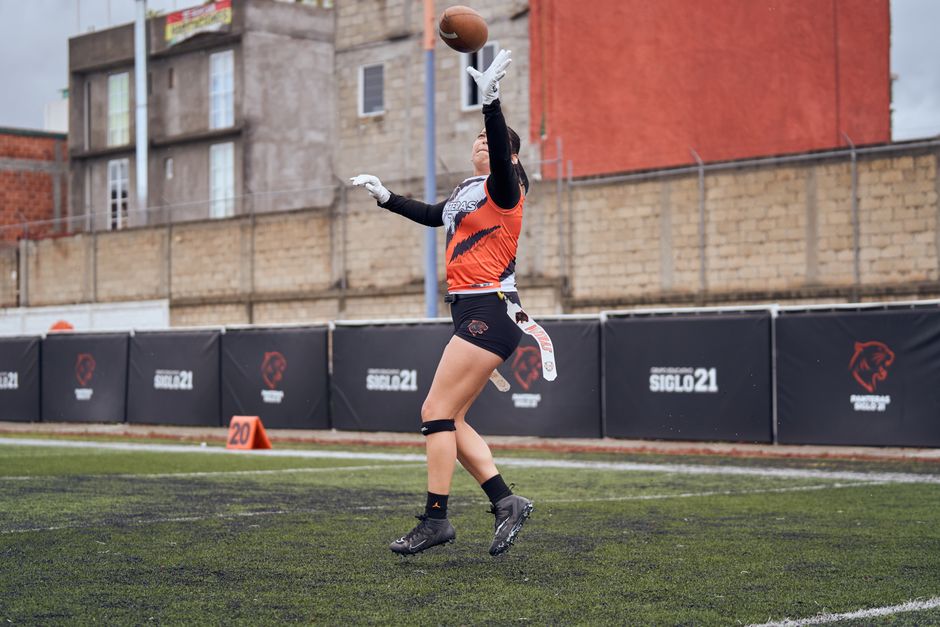
Learning how to improve reaction time is less about chasing a single magic drill and more about improving the full response process: noticing a signal, interpreting it, choosing an action and moving efficiently. That matters in sport, gaming, driving and everyday situations where a fast response is useful.
Reaction speed can improve with focused practice, but accuracy still matters. A rushed response that is wrong or poorly controlled is not much of an advantage. The most effective approach combines good recovery, perceptual training, movement practice and exercises that resemble the situation you want to handle better.
What affects reaction time?
Reaction time is influenced by sleep, attention, stress, fatigue, fitness, vision and familiarity with the task. A rested person who knows what to look for will often respond faster than someone with better raw athletic ability but poor concentration.
- Simple reaction time: responding to one known signal, such as tapping when a light appears.
- Choice reaction time: selecting the correct response from several possibilities, such as deciding whether to pass, shoot or move in a game.
- Movement reaction time: completing the physical action after noticing the signal.
This distinction explains why a reaction-time test may not predict performance in a sport. A button press measures a narrow response, while a match also requires reading movement, predicting what happens next and controlling the body.
Practical ways to improve reaction time
Protect sleep and recovery
Sleep loss can reduce attention, decision-making and movement control. Aim for a consistent sleep schedule and avoid treating reaction drills as a substitute for recovery. Hard training, long work sessions and repeated gaming practice can all make responses slower when fatigue builds up.
Train with unpredictable signals
Use drills that require you to react to a sound, visual cue or changing direction. For example, a partner can point left or right while you shuffle, call a colour that determines which object you catch, or vary the timing of a tennis-ball drop. Unpredictable cues are more useful than repeating the same movement at the same time.
Work on anticipation
Fast performers often do not wait for the final movement. They read posture, body position, ball flight, foot placement or an opponent’s habits and begin preparing early. Film review, live observation and sport-specific decision drills can improve this anticipation. The goal is not to guess blindly; it is to recognise reliable signals.
Build coordination and movement quality
Reaction speed improves when the required movement is familiar and efficient. Include footwork, balance, hand-eye coordination and changes of direction in your practice. Start slowly enough to maintain control, then increase speed while keeping the technique accurate.
Use short, focused sessions
Reaction drills usually work best in brief blocks with full concentration. Stop or change the exercise when responses become careless. A few high-quality sessions each week can be more productive than long practice performed while distracted or exhausted.
Reaction-time drills you can try
Ball-drop catch
Ask a partner to hold a tennis ball at shoulder height and release it without warning. Try to catch it with the same hand, then vary the starting position or add a verbal cue. Keep the drill safe and avoid turning it into a contest that encourages awkward lunges.
Colour or number response drill
Place several coloured objects in front of you. A partner calls a colour, and you touch or move toward the matching object. Add a second rule, such as using the opposite hand, only after the basic response is reliable. This develops choice reaction time rather than simple tapping speed.
Wall rebound drill
Throw a small ball against a wall and catch it after one bounce. Change the angle, distance or catching hand gradually. In a sports setting, use the drill to practise the visual tracking and hand position relevant to your activity.
Movement mirror drill
Work with a partner who makes controlled lateral movements while you mirror them. Keep the distance comfortable and focus on reading the hips and shoulders instead of reacting to every small hand movement. This is useful for sports that involve an opponent’s direction changes.
How to make training more effective
Measure more than speed. Record successful responses, mistakes and how your performance changes when the cue is delayed or the movement becomes more complex. A reaction-time app can provide a rough baseline, but it should not be treated as a complete assessment of sporting ability.
Progress one variable at a time. You might first increase the distance, then introduce more possible signals, then add movement. If every part becomes difficult at once, it is hard to tell what caused improvement or decline. Keep the exercise specific to the activity: a goalkeeper, driver and gamer need different visual cues and movement patterns.
Warm up before fast movement and use clear space around you. Stop if you feel pain, dizziness or unusual visual symptoms. Persistent changes in reaction speed, coordination or alertness deserve medical attention, particularly after a head injury or while taking a medicine that can cause drowsiness.
Frequently asked questions about improving reaction time
Can reaction time improve with practice?
Yes, practice can improve performance, especially when it targets the same cues and movements you use in the real task. Some gains come from learning the exercise itself, so combine general reaction drills with sport-specific practice.
Do reaction-time games make you faster?
They may improve performance on similar visual-response tasks and can help with attention. Their transfer to football, basketball, driving or other activities is limited unless the training also includes realistic movement, decision-making and visual cues.
What is the fastest way to improve reaction time?
There is no single fastest method for everyone. Better sleep, regular practice, efficient technique and anticipation usually matter more than repeatedly chasing a higher score on one test. Choose drills that match the response you need to make.
Does strength training help reaction speed?
Strength and power training can help you complete a movement quickly once you decide to act. It does not automatically improve the time needed to notice a signal or choose a response, so pair it with perception and decision drills.