First Goalscorer Betting: How the Market Works and How to Assess It
Learn how first goalscorer bets are settled, how to compare player prices with likely scoring chances, and which team, player and match factors matter before placing a wager.
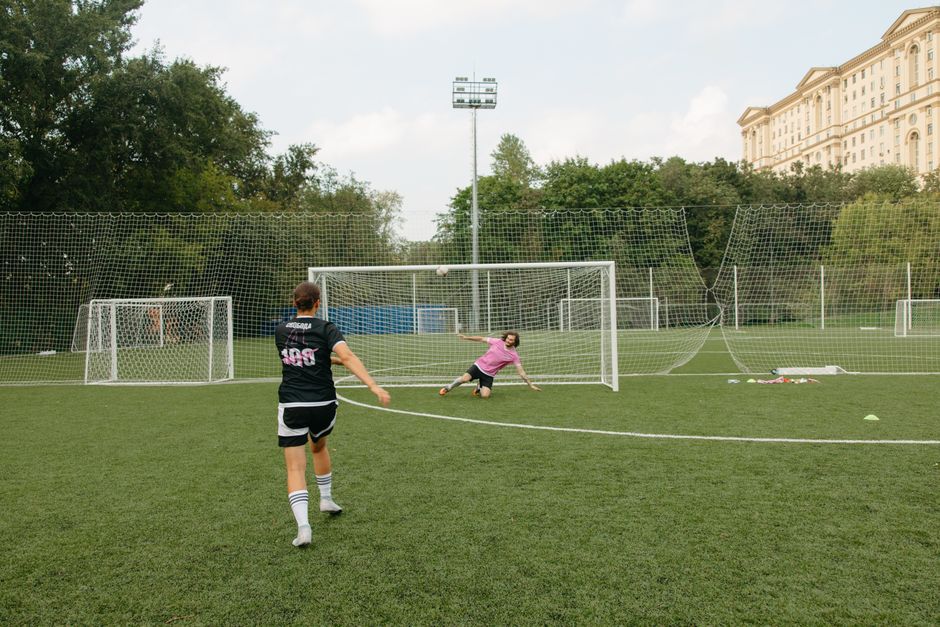
First goalscorer betting is a football market where you predict which player will score the opening goal of a match. The wager normally applies to the 90 minutes plus stoppage time, while extra time is included only if the bookmaker’s rules say so.
This market can offer longer odds than a simple match-winner bet, but it is also more sensitive to team selection, playing position and match events. A player who starts on the bench, is substituted early or takes few attacking positions may be a poor bet even if they are a prominent name.
How first goalscorer bets are settled
To win, your selected player must score the first goal of the match. If another player scores before them, the bet loses, even if your selection scores later. Own goals are generally not credited to the player who caused them, so they usually do not count for a first goalscorer selection. Exact settlement can vary between operators and competitions.
Bookmakers commonly offer several related markets:
- First goalscorer: the player who scores the opening goal.
- Last goalscorer: the player credited with the final goal.
- Anytime goalscorer: the player scores at least once during the match.
- First team to score: you select the team rather than an individual player.
Check whether the market is available only for the scheduled match time or includes extra time. Also check the non-runner rule. Many bookmakers void a first goalscorer bet if the chosen player does not start, but some may treat a substitute differently or apply a different rule to each-way and promotional markets.
How to assess a first goalscorer selection
Start with expected playing time. A starting striker or advanced winger usually has more opportunity than a substitute, but starting status alone is not enough. Look at the player’s usual position, penalty-taking duties, set-piece involvement and average shots in the penalty area.
Team attacking strength is equally relevant. A forward on a strong home team may receive more chances, while an otherwise talented striker could see little service against a side that dominates possession. Useful indicators include expected goals, shots on target, big chances created by teammates and the opponent’s record of allowing chances from particular areas.
The likely match pattern also affects the choice. If one side is expected to control the game, its central forward may have the highest volume of opportunities. In a closely matched fixture, a player who takes penalties or direct free kicks can have added value because set pieces may produce an early goal without sustained open-play pressure.
Comparing odds with the player’s chance
Decimal odds can be converted into an implied probability by dividing 1 by the odds. For example, odds of 5.00 imply 20% before accounting for the bookmaker’s margin. That figure is not a prediction of the player’s true chance; it is a reference point for comparing the price with your own assessment.
First goalscorer odds are shaped by several outcomes competing with one another. A player may be the most likely individual scorer while still having a relatively low chance of scoring first because the match contains many possible scorers. Comparing the first-goalscorer price with the same player’s anytime-goalscorer odds can help reveal how much the opening-goal condition changes the price.
A simple assessment should account for:
- the probability that the player starts and completes meaningful minutes;
- the team’s expected scoring volume;
- the player’s share of shots, penalties and dangerous set pieces;
- the opponent’s defensive weaknesses;
- the number of credible alternative scorers on both teams.
Common mistakes in first goalscorer betting
Choosing a famous striker solely because of their reputation is one of the most common errors. Recent goals may also be misleading when they come from a small sample or unusually easy fixtures. A player’s role, chance volume and expected minutes usually provide more useful context than a short scoring streak.
Another mistake is ignoring team news. A late formation change, a rested attacker or a new penalty taker can materially alter the odds. Review confirmed line-ups before betting when possible, and avoid treating an unconfirmed selection as certain.
Do not assume that an attractive price represents value. A long price may simply reflect a low probability of scoring first. Set a fixed betting budget, compare available odds and avoid chasing losses. Gambling should remain entertainment, and local laws, bookmaker terms and age restrictions apply.