IPL Betting Tips: How to Assess Odds, Teams and Match Conditions
Learn how to approach IPL betting with a structured analysis of odds, pitch reports, toss results, team news, player roles and responsible bankroll limits.
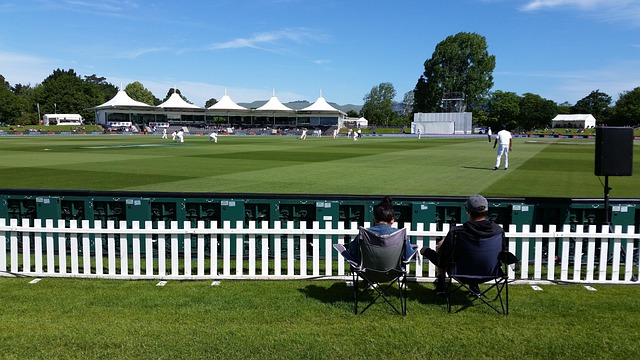
An IPL match can change shape within six overs. A dry pitch may reward a team defending a modest total, while evening dew can make chasing far easier than the pre-match odds suggest. That uncertainty is what makes IPL betting difficult—and why a disciplined process matters more than picking the most famous team or player.
What makes IPL betting different?
The Indian Premier League combines short-format cricket, changing venues, impact-substitute decisions and highly specialized player roles. A side may have one opener who attacks the powerplay, a middle-order batter built for spin, and two bowlers reserved for the final overs. These details can influence a market more than a team’s overall league position.
IPL betting tips are most useful when they explain why a price may be inaccurate. A strong recent record is only one part of the picture. Opponent quality, venue history, injuries, workload, batting depth and the likely match-up between key players all deserve attention before placing any bet.
Compare IPL odds with your own assessment
Bookmakers express probability through decimal odds. Odds of 2.00 imply a probability of roughly 50% before accounting for the bookmaker’s margin. Odds of 1.50 imply about 66.7%. These figures are not predictions, but they provide a reference point for comparing the market with your own estimate.
For example, you might assess a team’s chance of winning at 56%, while the available odds of 2.00 imply 50%. That difference may represent potential value, but only if your assessment is based on sound information rather than loyalty or recent highlights. A value bet can still lose; value refers to the price, not a guaranteed result.
Compare prices across licensed sportsbooks where this is legal. Small differences in match-winner odds, top-batter markets or total-run lines can have a meaningful effect over many bets. Check the full terms as well, particularly rules covering abandoned matches, shortened games and player non-participation.
Use the venue, pitch and weather report
Venue analysis is central to IPL match predictions. Some grounds offer a reliable batting surface and short boundaries, while others give pace bowlers movement early in the innings or spinners more grip as the pitch slows. Average first-innings scores can help, but they should be separated by season, match conditions and the quality of the teams involved.
Look for practical clues:
- Powerplay movement: swing or seam can make early wickets more likely.
- Boundary dimensions: short square boundaries may benefit particular batters and increase six-hitting markets.
- Pitch deterioration: a slower surface can reduce scoring later in the game.
- Dew risk: a wet ball may make gripping the ball harder for spinners and improve chasing conditions.
- Wind and heat: weather can affect ball movement, stamina and fielding quality.
Do not treat a ground trend as a rule. Teams adapt, boundaries change, and a match played at a different time of day may behave differently from the historical sample.
Wait for team news and the toss
Pre-match IPL betting markets can move quickly after confirmed XIs are announced. A missing opening batter, death-overs bowler or wicketkeeper can alter several markets at once. Check the playing XI, substitute options, captain’s comments and any restrictions on returning players before committing to a position.
The toss can also change the value of a bet, especially at venues where dew is common. A team that looked attractive before the toss may become less appealing if it must defend under difficult conditions. Instead of automatically backing the toss winner, consider whether the decision to bat or bowl fits the weather, pitch and team’s strengths.
Which IPL betting markets deserve the most scrutiny?
The match-winner market is usually the simplest place to begin, but it is not the only option. Total runs, innings totals, top batter, top bowler, player performance and team powerplay runs may offer more specific angles when you understand the conditions.
Specialist markets require specialist information. A top-batter bet is affected by batting position, expected balls faced and the likelihood of an early wicket. A top-bowler bet depends on whether the player is likely to bowl in the powerplay or at the death, not merely on their reputation. Player-prop markets can be particularly sensitive to confirmed team roles.
Live betting brings additional information, but it also encourages hurried decisions. A low score after three overs does not automatically mean the batting team is doomed, and one expensive over does not always show that a bowler has lost control. If you use in-play markets, decide in advance which match situations matter and avoid chasing a losing position.
Set IPL betting limits before the match
A sound betting plan includes money management as well as cricket analysis. Set a fixed bankroll for entertainment, choose a small and consistent stake size, and avoid increasing your stake to recover a loss. Never use money needed for rent, bills or daily expenses.
Keep a record of the market, odds, stake, reasoning and result. Over time, this can reveal whether your strongest decisions come from venue analysis, player props, live betting or another area. It can also expose unhelpful habits such as backing favourites automatically or placing too many bets during a single match.
Bet only with operators licensed in your location and check local rules before using any service. If betting stops feeling controlled, use deposit limits, time-outs or self-exclusion tools available through the operator or a recognised support service.
A practical checklist for IPL betting analysis
- Compare the available odds rather than relying on one price.
- Review recent performances in context, including opponent strength and venue.
- Check the pitch, weather, boundary size and expected dew.
- Confirm the playing XI, batting order and bowling roles.
- Consider how the toss changes the conditions.
- Separate a good price from a prediction of certainty.
- Set a stake limit and record the decision.
The strongest IPL betting approach is selective. Not every match offers a clear edge, and passing on a market is a legitimate decision. Careful odds comparison, current team information and firm spending limits create a more realistic framework than chasing guaranteed IPL predictions or relying on a favourite’s name.