Win to Nil Betting: Meaning, Settlement and How the Market Works
Learn what win to nil betting means in football, how the market is settled, how it differs from match result and both teams to score, and what to assess before placing a bet.
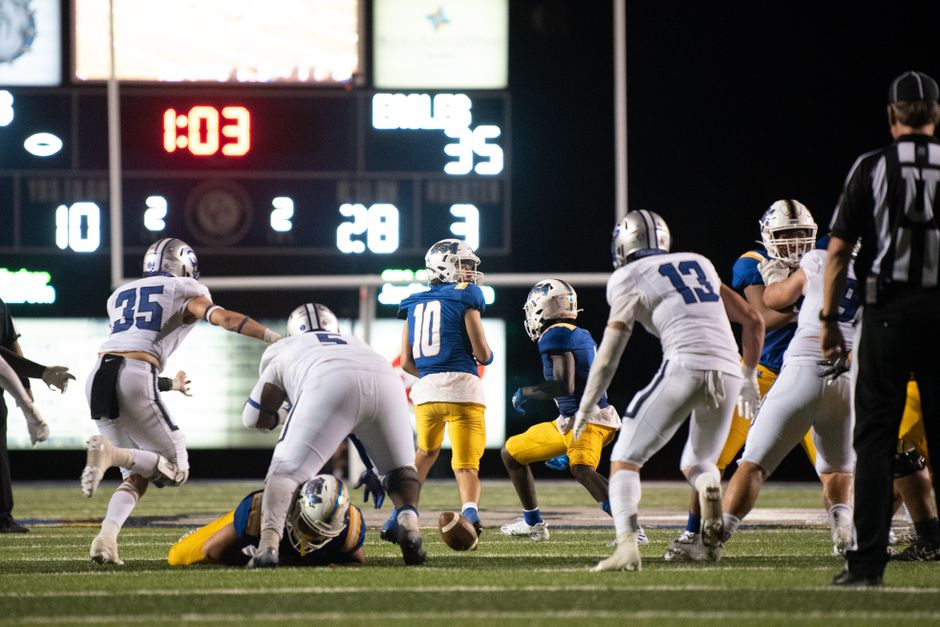
A 1–0 scoreline can be more valuable to a bettor than a comfortable 4–1 victory. That is the basic appeal of win to nil betting: the selected team must win the match and prevent its opponent from scoring.
The market combines two events in one selection. A team has to take all three points, while the opposing side must finish without a goal. This makes it more demanding than a standard match-winner bet, but it can offer a larger price when the underlying match result is not considered enough on its own.
What does win to nil mean?
In football betting, “to nil” means conceding zero goals. A bet on Team A to win to nil is successful if Team A wins and Team B does not score.
Winning scorelines can include:
- 1–0
- 2–0
- 3–0
- 4–0
The exact winning margin is usually irrelevant unless the bookmaker lists a separate correct-score or winning-margin market. A 1–0 win and a 5–0 win both satisfy a standard win-to-nil selection.
Any result in which the opponent scores normally loses the bet, even if the selected team wins. For example, a 2–1 victory is a match-result win but not a win-to-nil win. A 0–0 draw also fails because the selected team has not won.
How win to nil bets are settled
Settlement is based on the final result under the bookmaker’s football rules. In a standard 90-minute market, this generally means the score after regulation time plus any added time. Extra time and penalties are usually excluded unless the market terms specifically say otherwise.
| Final score | Team A to win to nil | Reason |
|---|---|---|
| 1–0 | Wins | Team A wins and concedes no goal |
| 2–0 | Wins | Team A keeps a clean sheet |
| 2–1 | Loses | The opponent scores |
| 0–0 | Loses | The match is drawn |
| 1–2 | Loses | Team A does not win |
Check the individual market wording before betting, particularly for cup matches, postponed fixtures, abandoned games and matches played at neutral venues. Rules can differ between bookmakers and competitions.
Win to nil compared with similar football markets
Several football betting markets may look similar but have different conditions.
Match winner
A standard home, draw or away selection only requires the chosen outcome. If Team A wins 3–1, a Team A match-winner bet is successful, but a Team A win-to-nil bet is not.
Both teams to score
Both teams to score, often shortened to BTTS, asks whether each side will find the net. “BTTS No” includes 0–0, a one-sided win to nil and any other result in which at least one team fails to score. It does not require the selected team to win.
Clean-sheet betting
A clean-sheet bet usually focuses on whether a team concedes. A team can keep a clean sheet in a 0–0 draw, so a clean-sheet selection is not the same as backing that team to win to nil.
Correct score
A correct-score bet is much narrower. Backing 2–0 requires that exact score, whereas win to nil covers every winning scoreline in which the opponent scores zero.
What to assess before backing a team to win to nil
The best analysis starts with the opponent’s ability to score, not simply the favourite’s reputation. A strong team may be short-priced to win but still offer limited value in the win-to-nil market if it regularly concedes.
Attacking threat of the opposition
Look at the opponent’s scoring record, shot volume, chance creation and performance against stronger teams. A side that scores consistently away from home can make a win-to-nil bet fragile, even if it is unlikely to win the match.
Defensive reliability
Recent clean sheets can be useful, but they need context. Consider the quality of the opponents faced, the number of shots conceded, defensive errors and whether the team protects a lead effectively. A high clean-sheet rate built against weak attacks may not transfer to a tougher fixture.
Team news and tactics
Missing centre-backs, a suspended goalkeeper or a rotated full-back can materially change the chance of a shutout. Tactical choices matter too: a team expected to press high and leave space behind may be more vulnerable than its usual defensive numbers suggest.
Match state and motivation
Some teams continue attacking after taking the lead; others protect a narrow advantage. A late goal from the trailing side is enough to defeat a win-to-nil bet. Fixture congestion, a second leg, relegation pressure and the need to manage players can all influence how aggressively a team plays.
Understanding the price and the risk
Win to nil combines a win with a clean sheet, so its odds are usually longer than the price for the same team to win. That does not automatically make it better value. The extra return reflects the additional condition that must be met.
For example, a team may be heavily favoured to win but face an opponent that scores in most matches. In that situation, the standard match-winner market may fit the evidence better than win to nil. Conversely, a dominant home side facing a blunt attack may create a more credible clean-sheet scenario.
Compare the available win-to-nil price with related markets, including the match result, BTTS No and the team clean-sheet option. The comparison can reveal whether the combined market is being priced generously or whether the added condition is expensive.
Use only a clearly defined stake, avoid chasing losses and treat betting as entertainment rather than a source of income. If gambling is becoming difficult to control, pause and seek help from a recognised support service in your country.