Cricket Betting for Beginners: Markets, Odds and Smarter Decisions
Learn how cricket betting works, from match-winner and top-batter markets to decimal odds, live betting, bankroll limits and responsible gambling.
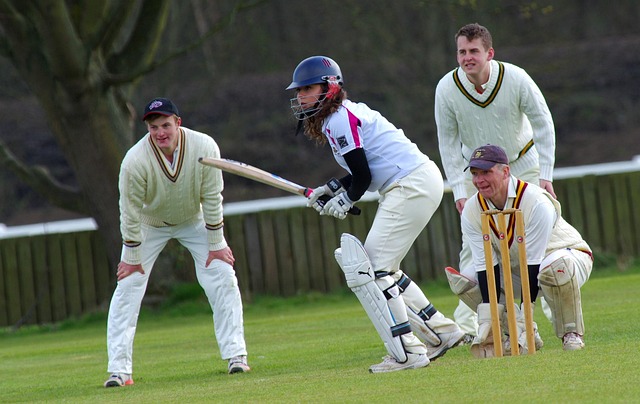
Cricket betting for beginners becomes easier once you separate the sport from the betting market. A match can produce several different outcomes, and bookmakers offer prices on each one. Understanding the format, the market rules and the odds matters more than trying to predict every ball.
How cricket betting works
A cricket bet is a wager on a defined outcome. That outcome might be the winner of a Test match, the team scoring more runs in the first innings, or a named player finishing as the leading run-scorer. Before placing any bet, check exactly what event the market covers and how the bookmaker settles it.
The main cricket formats have different betting characteristics:
- Test cricket: matches can last up to five days, with draws and weather interruptions playing a major role.
- One-Day Internationals: each side normally has a limited number of overs, so run rate, wickets and chasing conditions are central.
- T20 cricket: short innings create a faster market, with powerplay scoring, death-over bowling and toss information often influential.
Check the competition, match date, venue and playing conditions before comparing prices. A market for a domestic T20 match should not be assessed in the same way as one for a Test series.
Common cricket betting markets
The match winner market is usually the simplest starting point. You select the team expected to win. In some matches, particularly Tests, a draw option is available. If a competition uses a super over or another tiebreak procedure, read the settlement rules to see whether that outcome counts.
Other popular cricket betting markets include:
- Top batter: predicts which player will score the most runs for a specified team or across the match.
- Top bowler: predicts which player will take the most wickets under the market rules.
- Total runs: a bet on whether the combined score, team total or innings total will be above or below a bookmaker’s line.
- Run line or handicap: one team receives a notional advantage or disadvantage before the result is settled.
- First-innings score: predicts a team’s total, often using an over or under line.
- Player performance markets: cover statistics such as runs, wickets, catches or boundaries.
- Series betting: covers the winner of a multi-match contest rather than a single fixture.
Player and innings markets can be affected by batting position, selection, the toss, rain and shortened-match rules. A bet that looks attractive before the toss may change significantly once the confirmed teams and conditions are known.
Understanding cricket betting odds
Decimal odds are widely used internationally. They show the total return for each unit staked, including the original stake. For example, odds of 2.50 produce a total return of 25 currency units from a 10-unit stake if the bet wins. The profit is 15 units because the original 10-unit stake is included in the return.
To estimate the implied probability of decimal odds, divide 1 by the odds and multiply by 100. Odds of 2.50 imply 40% before the bookmaker’s margin is considered. This is not a prediction that the outcome has exactly a 40% chance; it is a way to compare the price with your own assessment.
Bookmakers build a margin into most markets. Comparing odds from several licensed operators can show where prices differ, but a higher price is not automatically better if the underlying assessment is weak. Always check whether the odds are decimal, fractional or American before calculating a return.
What to assess before a cricket bet
Useful analysis starts with information that can materially affect the match:
- Confirmed line-ups: missing opening batters, strike bowlers or wicketkeepers can change both team and player markets.
- Venue and pitch: some surfaces assist swing, spin, bounce or high scoring, while conditions can change as the match progresses.
- Weather: rain can reduce overs, increase the chance of a draw in Tests or trigger a revised target in limited-overs cricket.
- Toss and innings order: chasing can be easier or harder depending on dew, pitch wear and the size of the target.
- Recent role and workload: a player’s average alone may hide changes in batting position, bowling allocation or fitness.
- Competition rules: abandoned matches, no-results, super overs and tied matches may be settled differently across markets.
Head-to-head records should be treated carefully. Squads, coaches, venues and match formats change, so an old result may have little relevance. Recent form is also only useful when it is connected to the player’s current role and the quality of opposition.
Pre-match and live cricket betting
Pre-match betting allows more time to research teams, selection news and conditions. Live betting offers updated prices after the match begins, but the market moves quickly and may suspend after a wicket, boundary or review. A short price after a strong over can reflect the new score, the remaining wickets and the number of balls left rather than an easy opportunity.
Live score information can also arrive with a delay. Avoid placing a bet based on an event that may already have happened on the field but has not yet appeared in the betting interface. Set a limit before the match and do not chase a losing bet by increasing the stake during an emotional moment.
Managing risk as a beginner
Sports betting has no guaranteed profit strategy. Treat every stake as money that could be lost, and use only funds that are affordable to lose. A fixed, modest stake is easier to manage than changing the amount after every win or loss.
Before betting, check that the operator is licensed to serve customers in your jurisdiction and that you meet the legal minimum age. Read the terms for withdrawals, voided matches, abandoned games and promotions. Avoid borrowing money, betting to recover losses or using gambling to deal with financial or personal problems.
Deposit limits, time-outs and self-exclusion tools can help keep gambling within boundaries. If betting stops feeling recreational or becomes difficult to control, stop and contact a recognised gambling-support service available in your country.
Common beginner mistakes
- Betting on a favourite without checking whether the odds offer reasonable value.
- Ignoring the difference between Tests, one-day matches and T20 cricket.
- Placing player bets before confirming the playing XI.
- Overlooking rain, pitch conditions or the possibility of a no-result.
- Combining too many selections in a parlay, where one result can lose the entire bet.
- Increasing stakes after a loss or assuming a team is “due” to win.
A sound beginner routine is simple: understand the market, verify the rules, check the latest team news, compare the odds and set a firm spending limit. That process cannot remove the risk of losing, but it can reduce avoidable mistakes.