How to Analyze Cricket Matches for Betting
Learn how to assess cricket form, conditions, player roles, team news, and betting markets without relying on headlines or guesswork.
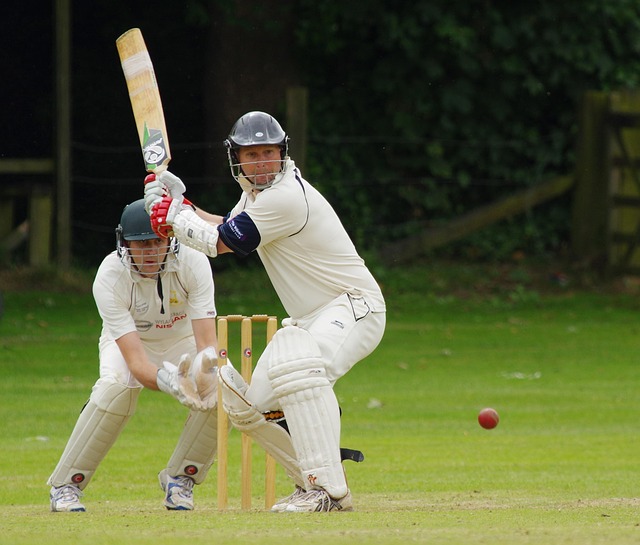
Analyzing cricket matches for betting means estimating the likely outcome more carefully than the market price suggests. It is not about finding certainty: even a strong assessment can lose because of a dropped catch, an injury, weather, or an unexpected change in momentum. The aim is to compare your probability estimate with the implied probability in the odds and only consider a bet when the price appears to offer value.
A useful cricket betting analysis combines team strength, recent performances, playing conditions, confirmed line-ups, match format, and market movement. The weight given to each factor should change between a Test match, ODI, and T20.
Start with the Match Format and Betting Market
The format determines how much time a team has to recover from a poor spell and which skills matter most.
- Test cricket: session-by-session conditions, workload, draw probability, pitch deterioration, and bowling depth are central. Match-result markets can be less straightforward than innings or session markets.
- One-day internationals and domestic ODIs: top-order stability, middle-over control, death bowling, and the value of chasing become especially relevant.
- T20 cricket: powerplay scoring, boundary-hitting, death-over execution, spin matchups, and toss-related decisions can have a large effect in a short contest.
Also define the market before doing the analysis. Match winner, draw-no-bet, total runs, top batter, top bowler, innings runs, handicap, and live markets each require different information. A team may be a reasonable match-winner selection but a poor choice for a high team-total line.
Assess Team Form Without Overrating Recent Results
Recent form is useful, but a simple win-loss record can hide important details. Look at the quality of the opposition, the venue, the margin of victory, and whether the team’s process supported the result.
For batting, examine run rates, boundary percentage, dismissal patterns, powerplay output, and performance against the type of bowling likely to be used. For bowling, consider economy rate, wicket-taking frequency, dot-ball percentage, and how effectively the attack handles the middle and death overs.
Separate individual form from team form. A side can win several matches while relying heavily on one batter or one strike bowler. That dependence matters if the player is unavailable or faces a matchup that limits their usual strengths. Conversely, a team that recently lost close games may have performed better than its results suggest.
Check Line-Ups, Player Roles, and Matchups
Confirmed team news is one of the most practical parts of cricket match prediction. Do not assume that a player listed in a squad will bat in the same position, bowl their full allocation, or even make the final XI.
Check:
- Whether the opening pair is unchanged.
- Who is expected to bowl during the powerplay and at the death.
- Whether a part-time bowler may be required to complete overs.
- Which batter is likely to face the most deliveries.
- Whether an all-rounder is fit enough to contribute in both disciplines.
- Any workload management, illness, suspension, or late replacement.
Matchups should be specific rather than based only on reputation. A batter’s record against left-arm pace, wrist-spin, short bowling, or slower variations may be more relevant than their overall average. A bowler’s effectiveness can also change depending on whether the opposition has several left-handers or struggles to score against spin in the middle overs.
Study the Venue, Pitch, Weather, and Toss
Venue analysis is more than checking the average first-innings score. Consider how the surface behaves at different stages of the match and whether the conditions tend to reward pace, swing, spin, or aggressive batting.
- Pitch: look for bounce, seam movement, grip, pace off the surface, and whether it usually deteriorates.
- Ground dimensions: short boundaries can increase six-hitting and make defensive bowling more difficult.
- Weather: humidity, cloud cover, wind, heat, and rain can influence movement, stamina, and the number of overs available.
- Dew: a wet ball may make gripping it harder for bowlers and can affect the decision to chase.
- Toss: its value depends on the venue and format. It should adjust an assessment, not replace it.
Historical venue statistics need context. A ground’s average may combine different formats, eras, pitches, and team strengths. Recent matches using the same format and comparable conditions usually provide a more useful reference.
Convert Cricket Odds into Probabilities
Decimal odds can be converted into an implied probability with this formula:
Implied probability = 1 ÷ decimal odds
For example, odds of 2.50 imply 40% before accounting for the bookmaker’s margin. If your analysis gives a team a 45% chance, the price may appear attractive, but that estimate must be realistic and should include uncertainty. A small difference between your probability and the market probability is rarely enough to justify confidence.
In a two-outcome market, compare both prices and remember that the bookmaker’s margin means the implied probabilities usually add up to more than 100%. Three-way cricket markets can be more complicated because a draw is possible, particularly in Test cricket. Check the full market rather than evaluating one selection in isolation.
Use a Consistent Cricket Betting Process
A written checklist can reduce emotional decisions and prevent one memorable performance from dominating the analysis. Record the match format, venue, expected line-ups, major strengths and weaknesses, weather, relevant player matchups, and the odds available at the time.
Then assign an estimated probability to the market. If the price does not provide enough value after considering uncertainty, pass. No bet is a valid decision, especially when team news is incomplete or the market has already moved sharply.
Track your reasoning as well as your results. A winning bet can still be based on poor analysis, while a losing bet can be sensible if the original probability was sound. Reviewing the process helps identify recurring errors such as overvaluing head-to-head records, ignoring the toss, chasing losses, or betting too many correlated markets.
Common Mistakes to Avoid
- Relying on rankings alone: rankings may not reflect current availability, venue suitability, or format-specific strength.
- Overreacting to one innings: a single century or expensive spell is not a complete form indicator.
- Ignoring role changes: a batter promoted or a bowler used differently can change the meaning of historical statistics.
- Forgetting the draw: especially in Test match betting, the draw is a genuine outcome rather than an afterthought.
- Betting on every market: more selections do not automatically create better value.
- Chasing live losses: in-play betting can encourage impulsive decisions after a rapid change in momentum.
Manage Risk Responsibly
Even thorough cricket betting analysis cannot remove variance. Use only money you can afford to lose, set a fixed budget, and avoid increasing stakes to recover previous losses. Flat staking or another conservative method is generally easier to control than making large bets based on confidence alone.
Bet only where sports betting is legal and use licensed operators. If betting stops feeling recreational or begins affecting finances, relationships, or daily responsibilities, stop and seek help from an appropriate local support service.