Cricket Pitch Conditions Betting: How Surface and Weather Affect Matches
Learn how pitch type, moisture, grass, wear, weather and toss information can influence cricket betting markets without relying on surface labels alone.
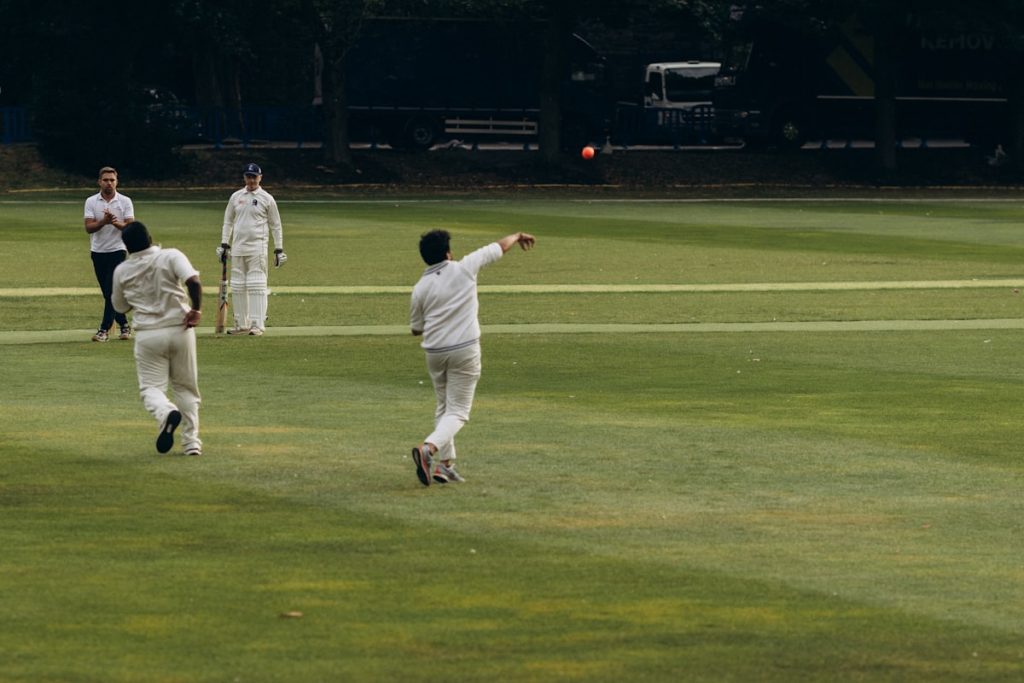
Cricket pitch conditions betting involves assessing how the playing surface may affect scoring, movement, spin and the balance between bat and ball. A pitch is only one part of the analysis, but it can help explain why pre-match odds and in-play markets change.
The most useful approach combines the surface report with venue history, weather, team selection, toss results and the match format. A pitch that favours seam bowling in a Test may play very differently in a short-format match after preparation and rolling.
What to assess on a cricket pitch
Pitch analysis starts with visible and reported characteristics, but these need to be interpreted in context.
Grass and moisture
A green surface can offer extra seam movement, especially early in an innings when the ball is new. Grass alone does not guarantee a bowler-friendly pitch: the amount of moisture underneath, the firmness of the surface and overhead conditions also matter.
Moisture may help the ball hold its line or move off the seam during the opening session. It can also make batting more difficult before the surface dries. In limited-overs cricket, dew later in the match can reduce the effectiveness of spinners and make the ball easier to hit or harder for bowlers to grip.
Hard, flat and true surfaces
A firm pitch with consistent bounce generally supports stroke-making once batters settle. These conditions can be relevant to total runs, boundary markets and team totals, although the quality of the batting line-up and the pace of the outfield remain significant.
A flat pitch is not automatically suitable for a high-scoring prediction. A large ground, slow outfield, strong bowling attack or difficult early movement can keep the total below expectations.
Dry, dusty and turning pitches
Dry surfaces may assist spin, particularly as the match progresses and footmarks develop. In Test and first-class cricket, deterioration over several days can increase the value of turn, variable bounce and bowling changes.
In T20 and one-day matches, the timing of the fixture matters. A dry pitch may already be slow, but a short match gives it less time to deteriorate. Spinners may benefit from grip while batters can still score through sweeps, running between wickets and targeted attacks against weaker match-ups.
Cracked or worn surfaces
Visible cracks and worn areas can create uneven bounce, but their impact is easy to overstate. Some cracks remain largely cosmetic, while others become more relevant as the pitch dries. Consider whether the ball is landing on the affected areas and whether bowlers have the accuracy to exploit them.
How conditions influence cricket betting markets
Pitch information can affect several markets, but it should be used as supporting evidence rather than a standalone prediction.
Match winner and first-innings markets
A surface offering early seam movement may increase the importance of the toss and the decision to bat or field. A slow pitch can narrow the gap between teams if one side relies heavily on timing and power, while a strong spin attack may become more valuable as the match develops.
Compare the pitch expectation with each team’s likely XI. A side may have a theoretical advantage in turning conditions, but that advantage is weaker if its main spinner is absent or the bowling unit lacks control. Likewise, a seam-friendly pitch matters less if the opposition has a deep, experienced top order.
Total runs and team totals
Run total betting requires more than identifying a “batting pitch.” Check the boundary dimensions, recent scores at the venue, the competition’s scoring rate and the expected innings length. A short boundary can offset a slower surface, while a large ground can suppress totals even when the pitch is good for batting.
Use recent venue figures carefully. Scores from different formats, seasons or rule conditions may not be directly comparable. A day-night match with dew can produce a different second-innings scoring pattern from a daytime fixture at the same ground.
Bowler and batter performance markets
Seam-friendly conditions may support markets for wickets or runs conceded by fast bowlers, while a turning surface can increase interest in spin-bowling performance. These markets remain highly dependent on overs allocation, batting position, match-ups and captaincy decisions.
For batter markets, distinguish between a pitch that is difficult at the start and one that remains difficult throughout. A top-order batter may face the toughest period, whereas a middle-order player could arrive after the ball has softened or the surface has improved.
Pitch reports, weather and toss information
Official pitch reports, captain interviews and ground footage can provide useful clues, but descriptions such as “good cricket wicket” or “a bit dry” are not precise forecasts. Look for specific details: grass coverage, hardness, moisture, pace, expected turn and whether the surface is likely to change during the match.
Weather adds another layer. Rain can interrupt play and create a revised target, while humidity and cloud cover may support movement for seamers. Wind can influence swing and boundary hitting. Dew is especially relevant in evening limited-overs matches because it may affect bowling grip, fielding and the toss decision.
The toss should be treated as new information rather than a reason to automatically back the team choosing to field. Assess why the captain made that decision and whether the surface is expected to improve, deteriorate or remain stable.
Common mistakes in pitch-condition betting
- Relying on colour alone: A green pitch is not always difficult, and a bare-looking pitch is not always a turner.
- Ignoring the format: A surface behaves differently over five days than it does during a 20-over match.
- Using old venue data without context: Ground dimensions, preparation methods, teams and weather can change.
- Overvaluing the toss: The toss can influence conditions, but team quality and tactical execution still matter.
- Forgetting player suitability: A pitch advantage only helps if the selected bowlers or batters can exploit it.
- Chasing in-play losses: Conditions can change quickly, so a poor prediction should not lead to larger or impulsive bets.
A practical framework for assessing a cricket pitch
Start by identifying the format, venue and likely match duration. Then review the expected weather, recent scores from comparable fixtures and the probable playing XIs. Separate early-innings conditions from how the pitch may behave later.
Next, compare the surface assessment with the available odds. If the market already reflects a widely reported green pitch or spin-friendly wicket, the information may already be priced in. Avoid treating a pitch label as a guaranteed edge, and only consider a wager if the reasoning is clear and the price appears justified.
Keep stakes affordable, set a limit before betting and check local laws and age requirements. No pitch reading can remove the uncertainty inherent in cricket, and responsible betting means accepting that a well-reasoned assessment can still be wrong.