Cricket Match Winner Betting: How the Market Works
Learn how cricket match winner betting works, how to read odds, which match factors matter, and how to assess risk responsibly across formats and competitions.
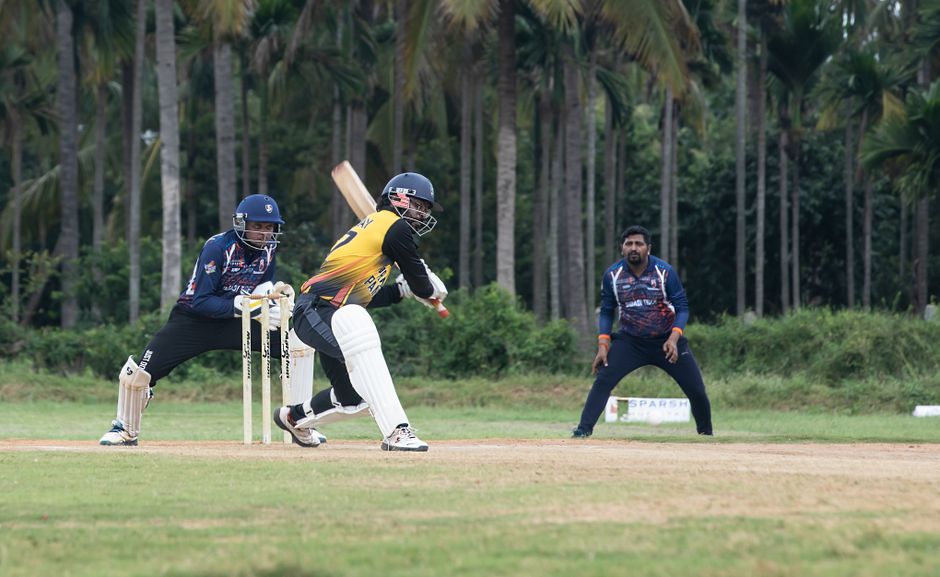
Cricket match winner betting is a market where you predict which team will win a fixture. The selection may be listed as Team A, Team B, or, in some competitions, a draw or tie option. Before placing any bet, check the competition rules, the settlement terms, and whether the market is available legally in your location.
What cricket match winner betting means
A match-winner bet is settled on the official result of the game, subject to the bookmaker’s rules. In limited-overs cricket, the market usually concerns the team that wins the match after the scheduled innings. In Test cricket and some first-class matches, a draw may be included because the game can end without either side winning.
Some betting sites display a two-way market for matches where a tie is not offered or is handled separately. Others use a three-way market with home team, away team, and draw selections. Read the market description carefully, particularly for abandoned matches, rain interruptions, super overs, tied Tests, and results changed by an official ruling.
How to read cricket match winner odds
Decimal odds show the total return for each unit staked, including the original stake. For example, odds of 2.50 produce a total return of 25 units from a 10-unit stake, before any applicable deductions. The potential profit is the total return minus the stake.
A simple implied probability estimate can be calculated by dividing 1 by the decimal odds. Odds of 2.50 imply 40% before accounting for the bookmaker’s margin. This is not a prediction of the actual result. It is a way to compare the price with your own assessment of the team’s chances.
Odds move as teams announce line-ups, weather conditions become clearer, or betting activity changes. A shorter price does not guarantee a win, and a higher price does not automatically represent better value.
Factors that can affect the predicted winner
- Format: Test matches, one-day internationals, and T20 games reward different skills and create different levels of variance.
- Playing conditions: Pitch pace, turn, bounce, dew, humidity, and expected rain can influence batting and bowling plans.
- Toss and venue: The toss may affect whether a team bats first or chases, while ground dimensions and local conditions can favour particular styles.
- Team selection: Missing opening batters, strike bowlers, wicketkeepers, or all-rounders can change the balance of a side.
- Recent performance: Current form can provide context, but a small sample may be misleading if opponents, venues, or match formats differ.
- Workload and scheduling: Travel, short rest periods, and a congested fixture list may affect fast bowlers and players involved in multiple competitions.
- Match-up strengths: A team’s ability to handle spin, left-arm pace, swing bowling, or aggressive powerplay batting may matter more than general rankings.
Assessing a cricket match winner prediction
Start with information that is available before the market closes: confirmed squads, likely playing elevens, venue records, weather forecasts, and format-specific results. Separate meaningful evidence from headlines. A team’s overall win rate may not explain how it performs at a particular ground or against a specific style of bowling.
It can help to compare your estimated win probability with the probability implied by the odds. If the difference depends on uncertain information, such as an unconfirmed player or changing weather, treat the assessment as especially fragile. Avoid relying only on league tables, head-to-head records, or the result of one recent match.
Live cricket betting introduces additional variables, including the current score, wickets in hand, required run rate, remaining overs, bowling options, and pitch deterioration. Live odds can change quickly, and delayed information may make a displayed price unavailable before a bet is accepted.
Common mistakes in match-winner betting
- Choosing a popular or familiar team without checking the price.
- Ignoring the difference between Test, one-day, and T20 performance.
- Assuming a recent winning streak will continue unchanged.
- Overlooking draw or tie rules in longer-format matches.
- Chasing losses by increasing stakes after an unsuccessful bet.
- Placing bets before checking team news, weather, or market settlement conditions.
Responsible use of cricket betting markets
Sports betting involves the risk of losing money. Use only funds set aside for entertainment, decide a spending limit before betting, and keep stakes consistent with that limit. Do not borrow money, bet to recover losses, or treat match-winner betting as an income source.
Availability, minimum age, and gambling regulations vary by country. Use licensed operators where required, review deposit and loss-control tools, and seek support from a recognised gambling-help service if betting stops feeling manageable.