How to Shoot a Basketball With Better Accuracy and Consistency
Learn the fundamentals of basketball shooting, from hand placement and footwork to release, follow-through, drills, and common mistakes that reduce accuracy.
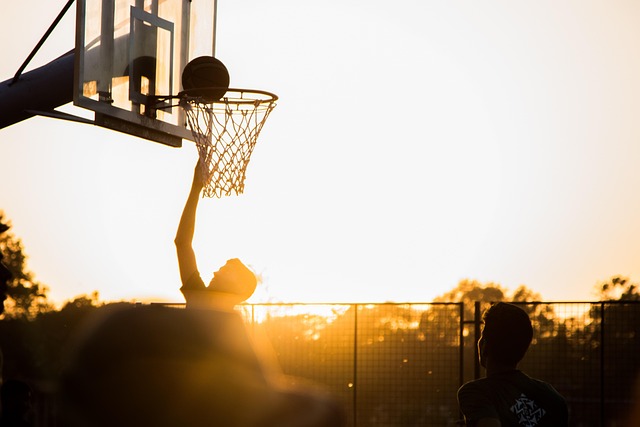
To shoot a basketball accurately, build the same motion every time: balanced feet, a relaxed shooting hand, a stable guide hand, a straight arm path, and a soft follow-through. Start close to the basket so you can practice technique without relying on force, then gradually add distance and movement.
Basketball shooting form: the fundamentals
Good shooting form gives the ball a repeatable path to the basket. The goal is not to copy one player’s exact stance, but to create a comfortable motion that stays balanced and controlled.
Set your feet and body
Stand with your feet about shoulder-width apart. If you shoot right-handed, place your right foot slightly ahead of your left; left-handed shooters can reverse the position. Keep your knees bent, your chest upright, and your weight balanced over the balls of your feet.
Turn your body slightly toward the basket rather than forcing both toes to point straight ahead. Your shooting-side shoulder, elbow, hip, and foot should be generally aligned with the hoop. A comfortable stance makes it easier to transfer force from your legs into the shot.
Place your hands correctly
Rest the ball on the fingers and pads of your shooting hand, not flat against the palm. Leave a small space between the palm and the ball. Spread your fingers naturally, with the index and middle fingers helping control the release.
Use the other hand as a guide. Its job is to stabilize the ball, not push it toward the basket. Keep the guide-hand thumb relaxed so it does not add sideways spin.
Lift the ball and keep the elbow under it
Bring the ball up smoothly to a comfortable shooting pocket near your face or slightly above it. Keep your shooting elbow generally beneath the ball and avoid allowing it to flare far to the side. The ball does not need to travel along a perfectly rigid line, but your arm should move toward the target without unnecessary twisting.
Use your legs and release softly
Begin the shot by extending your legs, then allow that energy to flow through your torso, shoulder, elbow, and wrist. Release the ball near the top of your jump or standing extension. The shooting hand should finish with the wrist relaxed and the fingers pointing down toward the rim.
A high, controlled arc gives the ball more room to enter the hoop. Do not force extra height by pushing with the guide hand or launching the ball only with your arms. For longer basketball shots, add power from the legs while keeping the upper-body motion similar.
How to practice shooting a basketball
Effective basketball shooting drills focus on repeatable technique before speed or distance. Begin with a target close to the rim, where you can make clean shots using one hand. Move back only when your release stays balanced and the ball consistently travels on line.
One-hand form shooting
Stand one or two metres from the basket. Hold the ball in your shooting hand, keep the non-shooting hand behind your back, and make controlled shots using your legs, elbow, wrist, and fingers. Try to make the ball drop through the centre of the hoop or touch the back of the rim softly.
This drill helps you feel the release and exposes unwanted guide-hand movement. Complete several sets from different close-range spots before adding the second hand.
Spot shooting
Choose a few locations around the key and take a manageable number of shots from each one. Do not move farther away simply because you miss. First check whether the misses come from poor balance, a short follow-through, or a release that moves left or right.
Track makes rather than taking rushed attempts. A simple record of makes and attempts shows whether your accuracy is improving and identifies the distances that need more practice.
Catch-and-shoot practice
Once your stationary form is reliable, practice receiving the ball, setting your feet, and shooting in one fluid motion. Prepare your hands before the pass arrives and keep the dip of the ball small. This develops a quicker basketball shooting technique without sacrificing balance.
Dribble pull-up practice
For shots created off the dribble, slow down before rising. Gather the ball securely, bring your feet underneath your body, and stop with control. Practise from both directions so that your shooting form remains stable when your body is moving.
Common reasons basketball shots miss
- Shots fall short: Add more leg drive and finish the arm extension instead of pushing harder with the shooting hand.
- Shots go long: Reduce the force from the arms and avoid leaning backward during release.
- Shots miss left or right: Check that the guide hand is not pushing the ball and that the shooting elbow is not drifting sideways.
- The ball has too much side spin: Keep the wrist and fingers moving toward the hoop and relax the guide-hand thumb.
- The motion feels inconsistent: Return to close-range form shooting and pause briefly at the set point to regain control.
- You lose balance after the shot: Narrow the distance, land under control, and keep your body facing the basket.
How to shoot farther without changing your form
Distance should come mainly from stronger leg and hip extension, not from a completely different upper-body action. Keep the ball in a similar shooting pocket, maintain a relaxed wrist, and allow the arc to remain comfortable.
If you must fling the ball, lean backward, or use both hands to reach the hoop, you are probably practising from too far away. Move closer until you can make the shot with a balanced landing and a clean follow-through. Strength and coordination will increase the range gradually.
Frequently asked questions about shooting a basketball
Should the ball come off the index finger or middle finger?
Many players feel the final contact through the index and middle fingers. The exact balance varies by hand shape and comfort, but the release should send the ball straight toward the basket with controlled backspin.
How high should a basketball shot arc?
Use an arc that lets the ball approach the rim from above without requiring excessive force. A moderate-to-high arc is usually easier to control than a flat line drive, but the best angle depends on your distance, release point, and strength.
How often should I practise basketball shooting?
Regular, focused sessions are more useful than occasional workouts filled with rushed attempts. Practise close-range form in every session, then add spot shots and movement once your mechanics remain consistent under light fatigue.
Should I jump when shooting?
A small jump can help coordinate the legs and release, especially on longer shots or shots taken over a defender. It is not necessary to jump high. Prioritise balance, a repeatable release point, and a controlled landing.