Cricket Betting: Markets, Odds and Smarter Analysis
Learn how cricket betting works across Test matches, ODIs and T20s, including common markets, odds, match factors and responsible betting practices.
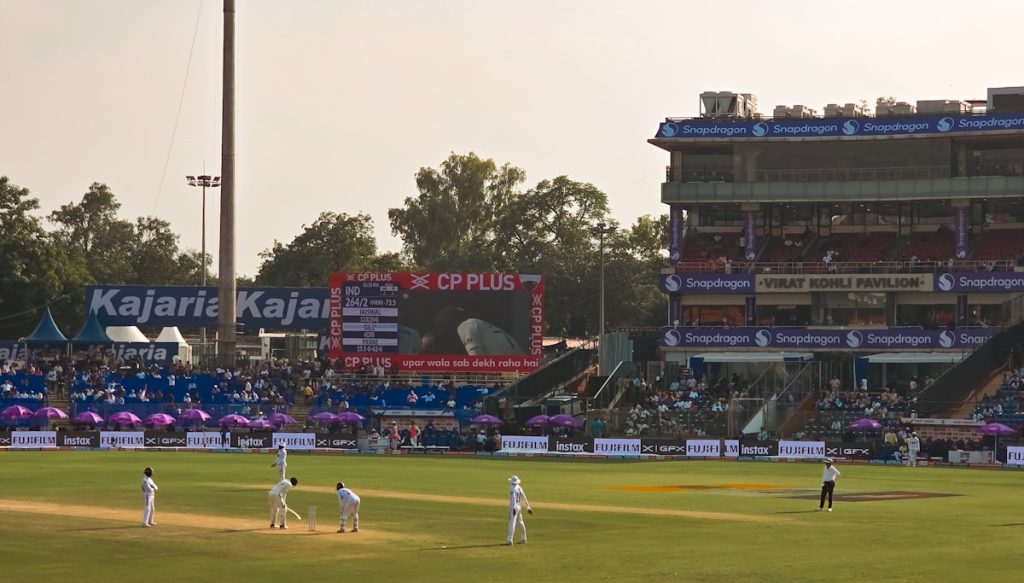
A cricket match can change direction in a single over, which is why betting on the sport requires more than picking the team with the stronger reputation. Format, pitch conditions, toss results, team selection and innings momentum can all influence the available markets and the probability behind them.
How cricket betting works
Cricket betting involves placing a wager on an outcome or event during a match or tournament. Sportsbooks generally publish decimal odds, which show the potential return for each unit staked. For example, odds of 2.50 represent a total return of 2.50 units, including the original stake, if the selection wins. The implied probability is calculated by dividing one by the decimal odds, although the bookmaker’s margin means the displayed price is not a perfectly neutral prediction.
The main cricket formats create different betting conditions:
- Test cricket: five-day matches where draw markets, session performance, declarations and changing pitch conditions matter.
- One Day Internationals: limited-overs matches in which run rates, wickets in hand and powerplay performance are central.
- T20 cricket: short matches with volatile innings, aggressive batting and a wide range of live betting opportunities.
- Domestic and franchise competitions: leagues where team combinations, travel, player availability and venue familiarity can affect prices.
Common cricket betting markets
The match winner market is the simplest option, but cricket offers many alternatives. Depending on the competition and bookmaker, a bettor may find pre-match and in-play markets covering the result, innings totals, player performances and individual events.
- Match winner: the team expected to win the match.
- Test match result: a three-way market covering a home win, away win or draw.
- Top run scorer: a selection on the player who scores the most runs for a team or in the match.
- Top wicket taker: a wager on the bowler or player expected to take the most wickets.
- Total runs: an over-under market on a team’s innings or the full match total.
- Highest opening partnership: a market focused on the runs scored by the opening pair.
- Player performance: combined markets involving runs, wickets, catches or other statistical targets.
- Innings and over markets: short-term bets on runs, wickets or boundaries during a defined period.
Rules vary between sportsbooks, especially for abandoned matches, rain interruptions, shortened games and player-related markets. Reading the settlement terms before placing a wager can prevent misunderstandings.
What to analyse before a cricket bet
Recent results are only one part of the picture. A team may have won its last several matches while facing weaker opposition, or it may be adapting to a venue with very different batting and bowling conditions.
Pitch and venue: Some surfaces offer early movement for fast bowlers, while others reward spin as the match progresses. Boundary dimensions, altitude and the average first-innings score can also influence run-scoring markets.
Toss and conditions: The toss can matter more in certain formats and locations, particularly when dew makes the ball difficult to grip during a later innings. Weather forecasts are relevant in Test cricket and rain-affected limited-overs matches, but forecasts are not guarantees.
Line-ups and roles: Confirm who is playing, who is opening the batting, which bowlers are likely to complete their overs and whether a player has been promoted or moved down the order. A star name has less value if their expected role has changed.
Match-up data: Batters can have persistent difficulties against particular bowling styles, while some bowlers are especially effective against left- or right-handed opponents. These details can be more useful than broad career averages when the sample is credible.
Workload and scheduling: Congested fixtures, international travel and recent spells of bowling can affect selection and performance. This is especially relevant in tournaments where teams play several matches in a short period.
Pre-match and live cricket betting
Pre-match odds are formed before the final conditions are known. They can be useful for comparing team strength and expected line-ups, but prices may move after the toss, team announcements or significant weather news.
Live cricket betting reacts to events such as wickets, boundaries, required run rate and changes in the target. The speed of these markets creates a particular risk: odds can change before a bet is accepted, and a brief run of boundaries can make a team appear more likely to win than the wider match situation suggests.
A live bettor should track the score, overs remaining, wickets in hand, revised target and current bowling options rather than relying on momentum alone. In a T20 match, a few deliveries can alter the market sharply; in a Test match, the same period may have limited significance.
Managing risk in cricket betting
No statistical method removes uncertainty. Rain, injuries, umpiring decisions and unexpected changes in tactics can overturn a well-researched selection. Treat betting as paid entertainment rather than a source of income, and decide on a spending limit before the match begins.
- Use only money you can afford to lose.
- Keep stakes consistent instead of chasing losses.
- Record bets and results so your decisions can be assessed honestly.
- Avoid betting when tired, distressed or under pressure to recover money.
- Use deposit, loss and session limits offered by licensed operators.
Legal requirements and betting products differ by country. Check that any operator you use is licensed in your jurisdiction, and seek support from a recognised gambling-help service if betting stops feeling controlled.