Test Cricket Betting Strategy: How to Analyse Long-Format Matches
Learn how to assess Test cricket betting markets using team news, pitch conditions, weather, session trends, draw probability and disciplined bankroll management.
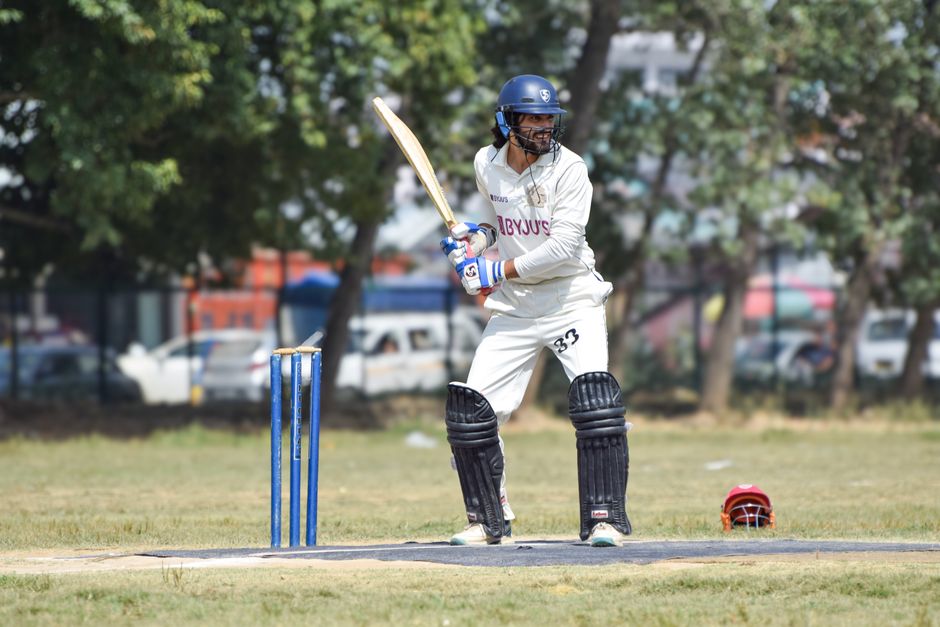
A sensible Test cricket betting strategy starts with recognising that a five-day match is shaped by changing conditions rather than one short burst of performance. Pitch wear, weather interruptions, team selection, toss results and workload can all alter the likely result. That makes Test match betting less about picking a famous team and more about judging how the match may develop.
There is no guaranteed betting system. Odds can be wrong, but they can also reflect information that is not obvious at first glance. Use research to improve decision-making, compare prices across legal bookmakers where available, and only stake money you can afford to lose.
How Test cricket betting markets work
The main pre-match market is usually the match result: a win for the home side, a win for the away side, or a draw. Unlike limited-overs cricket, the draw is a genuine outcome rather than an afterthought. A rain-affected match, a slow pitch or two strong batting line-ups can make the draw more likely than the basic team rankings suggest.
Other common Test cricket markets include:
- Series betting: predicting the overall winner across several matches.
- First-innings runs: estimating whether a team will pass a bookmaker’s total.
- Top batter or bowler: selecting a player to record the most runs or wickets for a team.
- Team totals: betting on how many runs a side will score in an innings.
- Session markets: predicting the result or number of runs in a specific period of play.
- In-play markets: reassessing the match after the toss, an innings or a major momentum change.
Read the settlement rules before placing a wager. Markets may treat a weather-abandoned match, a forfeited innings, a declared innings or a match shortened by exceptional circumstances differently.
Assess the pitch, weather and venue
Pitch analysis is central to a Test match betting strategy, but a surface should not be labelled simply as a “batting pitch” or “bowling pitch.” Ask how it is likely to behave on the first morning, after the surface dries, and during the final two days. Fresh grass may help seamers early, while cracks, footmarks and uneven bounce can bring spin and reverse swing into play later.
Venue history can provide useful context, but it should not replace current information. Look at recent first-innings scores, the frequency of draws, the average time taken to produce a result, and whether visiting teams have struggled against a particular type of bowling. Older matches may have limited value if the pitch preparation, team strength or playing conditions have changed.
Weather forecasts matter because lost overs reduce the time available to take 20 wickets. Persistent rain, poor light and a forecast containing several interruptions can increase draw probability. A short shower is different from several days of heavy rain, so consider both the timing and expected duration of interruptions rather than using a simple rain-or-no-rain assumption.
Compare the teams beyond their rankings
World rankings are a useful starting point, not a complete Test cricket prediction model. Examine how each team matches up in the conditions. A side with several reliable top-order batters may be well suited to a flat pitch, while a team with accurate fast bowlers may gain more value on a green surface.
Team news deserves particular attention. Check:
- the confirmed playing XI and any late injury news;
- the balance between specialist batters, all-rounders and bowlers;
- whether a wicketkeeper or key batter is carrying an injury;
- the availability of a frontline spinner or a second new-ball bowler;
- bowler workloads after a recent Test or a busy international schedule;
- the likely role of debutants and players returning from injury.
Batting depth is especially relevant in Test cricket. A team can have two excellent openers but still be vulnerable if its lower order is exposed early. Bowling depth matters too: a side relying heavily on three bowlers may lose effectiveness as the match progresses, particularly in hot conditions.
Use the toss and live match information carefully
The toss can influence a Test, but its value depends on the venue and surface. Batting first may be attractive if the pitch is expected to deteriorate, while bowling first can be useful when there is cloud cover and movement with the new ball. Avoid treating the toss as an automatic reason to back one side; compare the tactical advantage with the price already offered.
Live betting can provide more information than pre-match markets, including how the pitch is actually behaving and whether the ball is moving. However, a strong opening partnership does not guarantee a large total, and one early wicket does not necessarily mean a batting collapse. Consider the number of overs remaining, the quality of the players at the crease, the condition of the ball and the match situation before changing your assessment.
Session betting is particularly volatile. A single wicket, dropped catch or weather delay can move the odds quickly. If you cannot follow the match closely, pre-match markets with clearly defined reasoning may be more suitable than frequent in-play bets.
Manage price, probability and your betting bank
Good Test match betting is not only about identifying the most likely winner. It is about deciding whether the offered odds are higher than your estimated probability. For example, decimal odds of 2.50 imply a break-even probability of 40% before considering bookmaker margin. If your careful assessment gives the outcome a 44% chance, the price may offer value; if your estimate is 35%, it does not, even if the selection wins often in general.
Keep a written record of your selections, odds, stake sizes and reasoning. This can reveal whether your results are being affected by favourite bias, emotional reactions to a previous innings or overconfidence in a particular team. Use consistent staking rather than increasing bets to recover losses, and set deposit, loss and time limits before you start.
Common mistakes in Test cricket betting
- Ignoring the draw: assuming every match must produce a winner can distort the assessment.
- Overvaluing reputation: a strong historical record may not reflect the current squad or conditions.
- Chasing a result after a bad session: Test matches contain many momentum changes, so one passage of play is rarely decisive.
- Using outdated statistics: recent form, team selection and current pitch information may matter more than old head-to-head results.
- Backing a player without checking their role: batting position, bowling workload and fielding responsibilities affect opportunity.
- Forgetting bookmaker margin: several attractive prices can still produce poor long-term value.
A practical Test cricket betting strategy combines match conditions, team roles, weather, draw probability and current prices. It should also include the discipline to skip a market when the information is unclear. Betting laws and bookmaker availability differ worldwide, so use only regulated services where legal, avoid gambling with borrowed money, and seek help if betting stops feeling controlled.