How to Play Hockey: Rules, Positions, Skills and Beginner Tips
Learn how to play hockey with a clear explanation of the rules, player positions, equipment, basic skills, and practical ways to start training safely.
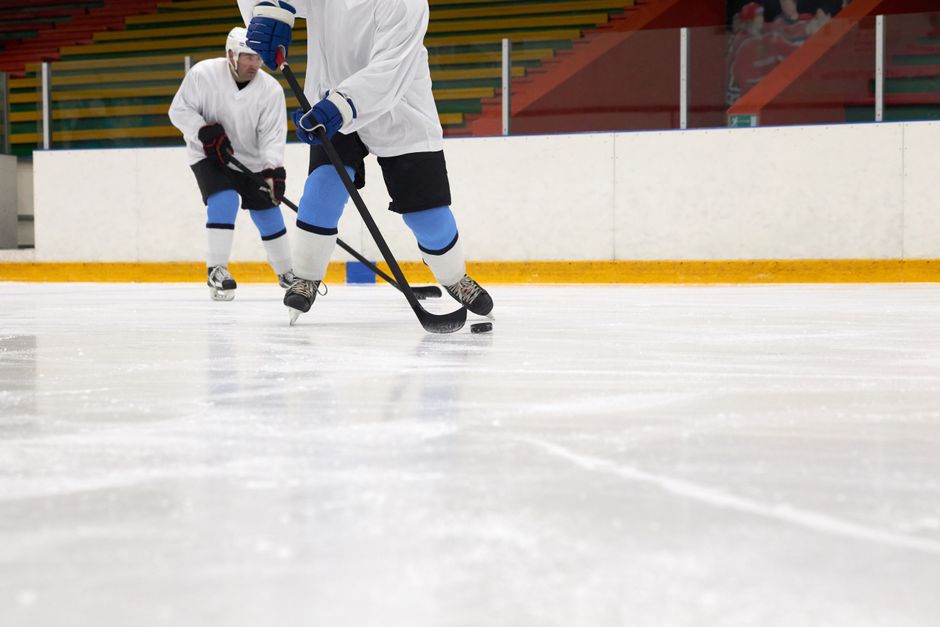
Learning how to play hockey starts with understanding the aim: two teams use sticks to move a puck into the opponent’s goal while defending their own. This article focuses on ice hockey, the version played on a rink with skates. Field hockey uses different equipment, surfaces, and rules, so those differences are covered below.
How ice hockey works
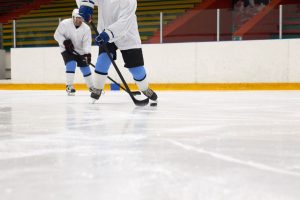
Ice hockey is played by two teams, usually with six players on the ice per side: three forwards, two defensemen, and one goaltender. Teams can change players during play, and these changes are called line changes. The objective is to score more goals than the other team before the game ends.
- Faceoff: Play begins or restarts when an official drops the puck between opposing players.
- Passing and carrying: Players use the blade of the stick to control, pass, and shoot the puck.
- Scoring: A goal counts when the puck completely crosses the goal line inside the net.
- Periods: Standard games have three periods, with breaks between them. League formats can vary.
- Offside: An attacking player cannot enter the offensive zone before the puck crosses the blue line.
- Icing: A player generally cannot shoot the puck from behind the center red line all the way past the opponent’s goal line without it being touched.
Penalties can give the other team a power play. Common infractions include tripping, holding, hooking, slashing, and dangerous checks. A player sent to the penalty box leaves the team temporarily short-handed, although the exact penalty length depends on the violation.
Hockey positions and responsibilities
Forwards
The center takes faceoffs and helps connect the attack with the defense. Left and right wingers support the center, create passing options, pressure defenders, and look for scoring chances. Forwards also have defensive duties, such as covering opposing players and helping recover the puck.
Defensemen
Defensemen protect the area in front of their goal, challenge attackers, block shots, and start attacks with accurate passes. Good positioning is often more valuable than chasing the puck. A defender should stay between the attacker and the net whenever possible.
Goaltender
The goaltender stops shots and controls rebounds. They must track the puck, maintain a balanced stance, communicate with teammates, and decide when it is safe to play the puck outside the crease.
Basic hockey skills to learn first
A new player should build control and balance before trying advanced moves. These skills form the foundation of beginner hockey training:
- Skating: Practice a stable stance, forward strides, stopping, tight turns, backward skating, and changing direction.
- Stickhandling: Move the puck from side to side with soft, controlled touches while keeping your head up.
- Passing: Keep the stick blade square to the target and receive the puck with relaxed hands so it does not bounce away.
- Shooting: Start with a controlled wrist shot. Focus on accuracy, weight transfer, and pointing the blade toward the target.
- Defensive positioning: Keep your body between the opponent and the net, angle attackers toward the boards, and avoid reaching unnecessarily.
- Communication: Use short, clear calls to warn teammates about pressure and identify open passing options.
For players learning hockey basics, simple drills are more useful than trying to copy advanced professionals. Skate around cones, pass with a partner, receive passes while moving, and shoot at marked targets. Add speed only after the movement feels controlled.
Equipment and safety for new players
Essential ice hockey equipment includes a properly fitted helmet with a face shield or cage, skates, shoulder and elbow pads, gloves, hockey pants, shin guards, socks, and a stick. A mouthguard and protective athletic cup are also sensible choices. Equipment should fit securely without restricting movement; loose or damaged protection can increase injury risk.
Take a skating lesson or join a supervised beginner hockey session before playing a competitive game. Learn how to fall safely, stop under control, and keep your stick below dangerous heights. Check the rink’s rules and never play through significant pain or a suspected head injury.
How to start playing hockey
Begin with a public skating session or an introductory ice hockey class. Once you can stop, turn, and skate comfortably, look for a beginner league, youth program, adult recreational team, or coached practice. Choose a level that matches your skating ability rather than focusing only on age or fitness.
A practical first routine might include skating practice, puck control, passing, shooting, and a short small-area game. Small-area games give beginners more touches and decisions than standing in a large formation. Ask a coach to correct one or two specific habits at a time, such as stick position, spacing, or stopping technique.
Ice hockey and field hockey differences
The phrase “how to play hockey” can also refer to field hockey. Field hockey is normally played on grass or artificial turf with a small hard ball, while ice hockey uses a puck on an ice rink. Field hockey players do not use ice skates, and its rules include different restrictions on stick contact, passing, scoring areas, and player positions.
If you meant field hockey, start by learning the flat side of the stick, ball control, push passing, receiving, tackling technique, and the shooting circle rule. Confirm the sport and local rules with your club before buying equipment.
Common questions about learning hockey
Can adults learn to play hockey?
Yes. Adult beginner programs often teach skating, puck control, rules, and game awareness without assuming previous experience. Regular skating practice is usually the fastest way to improve.
Do I need to be a strong skater before joining a team?
You do not need advanced skating skills, but you should be able to balance, stop, turn, and move safely around other players. A beginner class can develop these abilities before you enter a full game.
What should a beginner practice most?
Prioritize skating control, stopping, passing, receiving, and looking up while handling the puck. These skills affect nearly every shift and are more useful early on than complicated dekes or powerful shots.