Cricket Total Runs Betting: How Over and Under Markets Work
Learn how cricket total runs betting works, including innings and match totals, run lines, odds, settlement rules, and the factors that can influence a result.
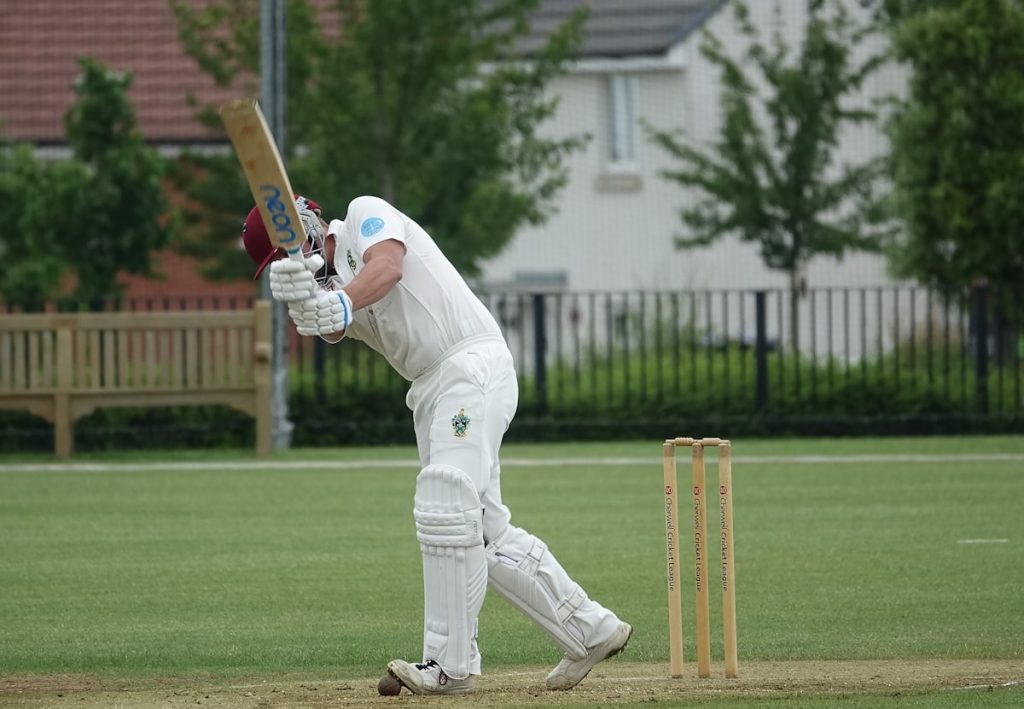
Cricket total runs betting is a market based on the number of runs scored by a team, an innings, or both sides across a match. Instead of picking the winner, you predict whether the final score will be above or below a bookmaker’s quoted line.
The market is commonly listed as over/under runs. For example, a bookmaker might set a first-innings total at 164.5 runs. An over bet wins if the team scores 165 or more, while an under bet wins if the total is 164 or fewer. The half-run avoids a tie, although some markets may use whole numbers and include a push or void rule.
Types of cricket total runs markets
Total runs markets can cover different parts of a match, so check the wording before placing any bet. The most common options include:
- Team innings total: the runs scored by one team in a specific innings.
- Match total runs: the combined score from both teams, usually across a limited-overs match.
- First-innings total: the score made by the team batting first.
- Powerplay runs: runs scored during the opening overs subject to the competition’s fielding restrictions.
- Over-by-over totals: the number of runs scored in a particular over, often offered during live betting.
- Player runs: the runs scored by a named batter, which is related to total-runs betting but settled separately.
In Test cricket, markets may refer to a team’s total in an innings, a session total, or the runs scored before a declaration. In one-day and T20 cricket, bookmakers more often offer full-innings, powerplay, and match-run lines. A market can also be restricted by an innings ending early, a rain interruption, or a change in the scheduled number of overs.
How to assess an over or under runs line
The quoted total reflects an expected scoring level rather than a guaranteed prediction. Start by checking the format, venue, pitch, weather, and the number of overs available. A T20 total of 170 runs and a one-day international total of 270 runs cannot be assessed using the same assumptions.
Team selection has a direct effect on the likely score. The opening pair, middle-order depth, availability of a finisher, and quality of the opposition’s bowling attack all matter. A side with several aggressive batters may have a higher ceiling, but it can also lose wickets quickly and finish below an apparently modest line.
Pitch conditions should be considered alongside recent scores rather than used on their own. A flat surface can support boundary hitting, while a slower pitch may reward bowlers who vary their pace. Dew in a day-night match can make gripping the ball harder later in the game. Wind, rain, and overhead conditions may also influence shot selection and bowling tactics.
Recent scoring averages can provide context, but they should not be treated as a complete forecast. Consider the strength of the opponents, the venue, the toss, and whether earlier matches were played under comparable conditions. A venue’s average first-innings score may include games from different formats or seasons, so the underlying sample needs to be relevant.
Settlements, live betting, and common mistakes
Read the settlement rules for shortened matches before betting on a total. If rain reduces the number of overs, a bookmaker may apply a revised target, void the market, or settle it under a specific minimum-overs condition. Rules can differ between pre-match and in-play markets. A total may also be void if a match is abandoned before the required number of overs or balls has been completed.
Live cricket total runs betting reacts to wickets, scoring rate, required run rate, and the remaining overs. The line can move sharply after a wicket or a short period of boundary hitting. Live markets may also be suspended while an umpiring decision is reviewed or while the bookmaker updates the score. Always confirm the current score, balls or overs remaining, and whether the quoted line applies to the innings or the match.
Common errors include confusing a team total with a match total, overlooking a shortened-innings rule, and comparing prices without checking that the lines are identical. A price on over 155.5 is not directly comparable with a price on over 158.5. It is also risky to rely only on a team’s last few scores or to assume that a high previous total will automatically be repeated.
Responsible use of total runs markets
Total runs betting should be treated as paid entertainment, not a way to recover losses or create income. Set a budget before betting, use only money you can afford to lose, and avoid increasing stakes after an unsuccessful result. If betting stops feeling controlled, take a break and contact a recognised gambling-support service available in your country.