Cricket Live Betting: How In-Play Markets and Odds Work
Understand how cricket live betting works, why odds change during a match, which in-play markets are available, and the risks created by delays, wickets, weather, and limited information.
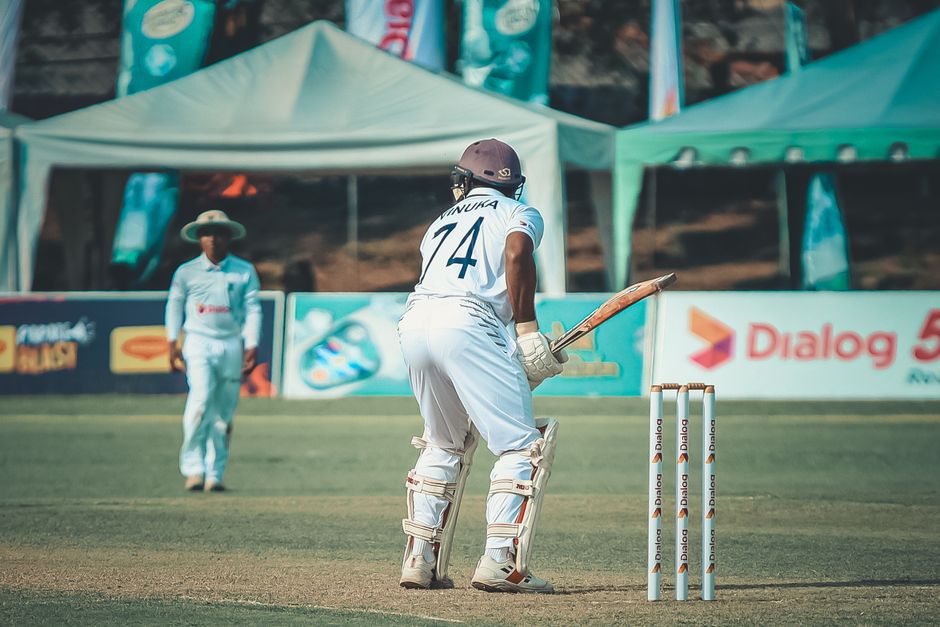
Cricket live betting, also called in-play or in-game cricket betting, allows wagers to be placed after a match has started. Prices adjust as the score, wickets, required run rate, pitch conditions, and match situation change. This creates more information than pre-match betting, but it also introduces faster decisions, suspended markets, and a greater risk of acting on incomplete information.
How cricket live betting works
A sportsbook calculates live odds from the current match state and its probability model. In a limited-overs match, that model may consider the score, wickets remaining, overs left, batting order, recent scoring rate, bowling resources, venue conditions, and the target. In Test cricket, it may also account for the innings position, lead, time remaining, declarations, pitch deterioration, and the likelihood of a draw.
Live cricket odds can move after almost every meaningful event. A wicket usually changes the match probability sharply, while a boundary, dropped catch, review, injury, or change of bowler may cause a smaller adjustment. Odds may also move because of information from the exchange or sportsbook before the event is fully reflected in a visible scorecard.
Markets are commonly suspended while a delivery is being bowled or immediately after a major event. A bet submitted during that period may be rejected, accepted at a different price, or remain pending until the market reopens. The displayed score and the betting interface may also update at different speeds from the live broadcast.
Common in-play cricket betting markets
Match winner: This market asks which team will win the match. It is usually the simplest live market, but the price can change significantly after a wicket, a batting collapse, or a strong partnership.
Innings or session winner: Some competitions offer markets on the winner of a particular innings, session, or limited period. The rules vary by format, so the settlement conditions should be checked before placing a wager.
Next wicket: This market may cover which team loses the next wicket or the method of dismissal. It is highly sensitive to the current batsmen, bowler, field placement, and match situation.
Runs in an over: Over markets may involve a total run line, a range, or a yes-or-no outcome such as whether the over will contain a boundary. These bets are particularly exposed to ball-by-ball price changes.
Team and player performance markets: Depending on the competition, live markets can include a team’s next score, a batter’s runs, or a bowler’s next wicket. Player availability, retirement hurt, substitutions, and official scoring decisions can affect settlement.
A market name alone does not explain every rule. Cricket betting terms such as void, dead heat, abandoned match, revised target, tie, and super over can have different consequences across operators and competitions.
Why live cricket odds change so quickly
The value of a live bet depends on the probability implied by the price and the assumptions behind that probability. A team chasing 180 from 20 overs is not in the same position at 70 for one after eight overs as it is at 70 for four after 12 overs. The score is identical, but the wickets and overs remaining create very different possibilities.
In limited-overs cricket, useful live indicators include the required run rate, current scoring rate, wickets in hand, balls remaining, batting depth, and which bowlers still have overs available. In a Test match, a short-term lead may matter less than time remaining, the condition of the pitch, the number of completed innings, and the likelihood that both sides can force a result.
Odds can also respond to information that is difficult for a remote bettor to verify. A television broadcast may lag behind an official data feed, and a stream may be delayed further. This makes apparent opportunities based on a visible boundary or wicket unreliable if the sportsbook has already processed the event.
Advantages and limitations of in-play betting
The main advantage is that live betting incorporates information unavailable before the toss. A bettor can observe the actual pitch behaviour, team selection, batting tempo, bowling changes, and weather conditions. This may help someone assess whether the pre-match assumptions still appear reasonable.
Live markets can also offer more specific ways to express an opinion. A bettor who does not want to predict the full match winner might instead consider a total for the next over or an innings run line. More specific markets, however, are not automatically easier to assess. Their short time horizons leave less room for errors to correct themselves.
The limitations are substantial. Prices may include a margin that varies by market, liquidity can be low, and markets may be suspended at critical moments. Fast-moving odds can encourage impulsive decisions, while partial information can make a bet appear better than it is. A correct reading of the match does not guarantee a profitable outcome because cricket contains substantial randomness.
Practical checks before placing a live cricket bet
Confirm the competition, format, innings, score, wickets, overs, and target before evaluating a price. Check whether the displayed market is for the match, current innings, next over, or a specific player. A similar-looking market can have a completely different settlement rule.
Read the sportsbook’s cricket betting rules for abandoned matches, rain interruptions, shortened games, super overs, tied matches, player retirements, and data corrections. Duckworth–Lewis–Stern revisions can change a chase target and may affect markets differently depending on the operator’s terms.
Use a personal stake limit and decide it before the match begins. Avoid increasing a stake to recover an earlier loss, and do not treat a live price as evidence that a result is likely. Betting should be treated as entertainment with a real possibility of loss. If wagering stops feeling controlled, use deposit, stake, time, or self-exclusion tools offered by the operator, or contact a recognised gambling-support service in your country.
Common misconceptions about cricket live betting
“A team that is ahead is always good value.” A lead in runs or wickets does not by itself establish value. The relevant question is whether the price accurately reflects the full match state, including conditions and remaining resources.
“Recent boundaries prove that a high score is coming.” A short burst of scoring may result from field restrictions, a favourable matchup, or unusual variation. It does not remove the possibility of a wicket or a change in bowling conditions.
“A delayed stream creates an advantage.” A delay may instead create a disadvantage if the sportsbook receives official data sooner. Acting on a broadcast event can lead to rejected bets or acceptance at a worse price.
“Live betting removes pre-match uncertainty.” It reduces some unknowns but replaces them with rapidly changing information, market suspension, and shorter decision windows. The uncertainty is different, not absent.